(With apologies to Clement Clarke Moore)
Tis the first day of trading in Ought Twenty-Six
With too much attention on raw politics
At home, eyes have turned to the mid-term elections
To see if results will force mid-course corrections
In Europe, they’re going all-in on Ukraine
With more billions promised, though that seems insane
Meanwhile, Mr Xi is convinced he can fix
The problems at home with his policy mix
And this, my friends, just skims the surface of things
As pols everywhere suffer arrows and slings
Remember, though, markets are what I’m about
And while I could err, I am never in doubt.
Let’s start at the top with Growth here in the States
Which likely will show more than marginal rates
In fact, Four percent seems a viable goal
As inward investment and tax cuts take hold
Remember, for Trump, if there’s one thing he’s not
It’s timid, and so he’ll demand, “Run it hot!”
Thus, growth will expand, though inflation might gain
And for the elections, that could be a pain
The problem is Jay, and whoever comes next
Have come to believe two percent’s just subtext
The greatest unknown is on government spending
And whether it grows or, at last, starts descending
The punditry’s certain the government fisc
Is going to increase inflation’ry risk
If true, CPI of near Four percent’s apt
If not, then Inflation ‘neath Three, could be capped
And what about elsewhere, in Europe? Japan?
In markets, emerging, do they have a plan?
Will they grow their ‘conomies, drawing investment?
Or will we soon witness a large reassessment?
In Europe, they claim they’ll be building more guns
To help them defend all their daughters and sons
As well, they’re committed to helping Ukraine
Continue to fight, despite so many slain
They’re planning to borrow a cool 90 Bill
But energy costs, these grand plans could well kill
Meanwhile, M Lagarde claims that rates are just right
And given growth there’s One Percent, I won’t fight
So, weak growth and low rates and energy blues
Lead me to believe that come year-end, the news
Will be that the Euro is failing to thrive
Do not be surprised when it hits One oh-Five
In England and Scotland and all the UK
Just like in the EU, they can’t make much hay
The budget’s a wreck yet they want to raise taxes
Though history shows growth will wane ere it waxes
As well, they continue their crack down on speech
While crimping their energy industry’s reach
So, power is costly, and billionaires flee
From here, ‘cross the pond, this is what I foresee
A ‘conomy heading right into stagflation
As long as Kier Starmer is leading the nation
For markets, the Pound will lose all its allure
With One-Ten the Boxing Day screen price du jour
A turn to the East where the Sun Also Rises
Will teach us that, really, there are no surprises
To date you’ve heard much ‘bout the rise in yen rates
With pundits opining the Carry Trades’ fates
This year, so they say, look for much stronger yen
As local investors buy yen bonds again
Thus, all the hedge funds who’ve been funding their trades
By borrowing yen, and they’ve done so in spades,
Will need to buy back all that Japanese Money
The outcome, for yen shorts, will not be so sunny
But what if this idea of yen heading home
Is wrong? This implies quite a different syndrome
At this point there’s no sign the government there
Is ready, more spending and debt, to forswear
Instead, what seems likely is more of the same
More government spending in all but its name
So, debt will continue to rise without end
And up to One-Eighty the buck will ascend
As well as Japan, in the continent vast
Of Asia, it’s China we come to at last
“Poor” President Xi has a problem at home
Consumption is not in the Chinese genome
For decades, the model’s been, build and export
Which helps explain why local usage falls short
But lately the rest of the world’s of a mind
That Chinese imports are a troublesome kind
So, Xi needs his people to learn how to spend
Else all that production may come to an end
But if they consume, what will that do to growth?
Its rate will decline, something for which Xi’s loath
Thus, GDP 5 means a weaker yuan
Well above Seven you can depend on
But if, against odds, Xi gets Chinese to spend
Six-Fifty is where yuan will be at year end.
Let’s shift our perspective to Treasury debt
A market of critical import, and yet
A market that’s been in a range for a while
So, what must occur for a change in profile?
The popular view is that deficit spending
Will drive an outcome of, high yields, never-ending
But Trump and his team are, quite hard, pushing back
Explaining that policy’s on the right track
Twixt tariffs and growth, tax receipts have been flying
While RIFs in the government are underlying
The idea that deficits soon will be shrinking
In truth, this is not what the punditry’s thinking
But one thing is clear that will keep yields from climbing
QE, which is back, is designed for pump-priming
So, Jay and his heir will keep buying and buying
And 10-Years at Four Percent seems satisfying
It’s not just the government, though, that’s in debt
Those corporates who borrowed at ZIRP, have not yet
Refinanced the trillions they owe, to this day
And now they’re competing with Bessent and Jay
While Scott will find buyers, if not least the Fed
For corporates that path may be flashing bright red
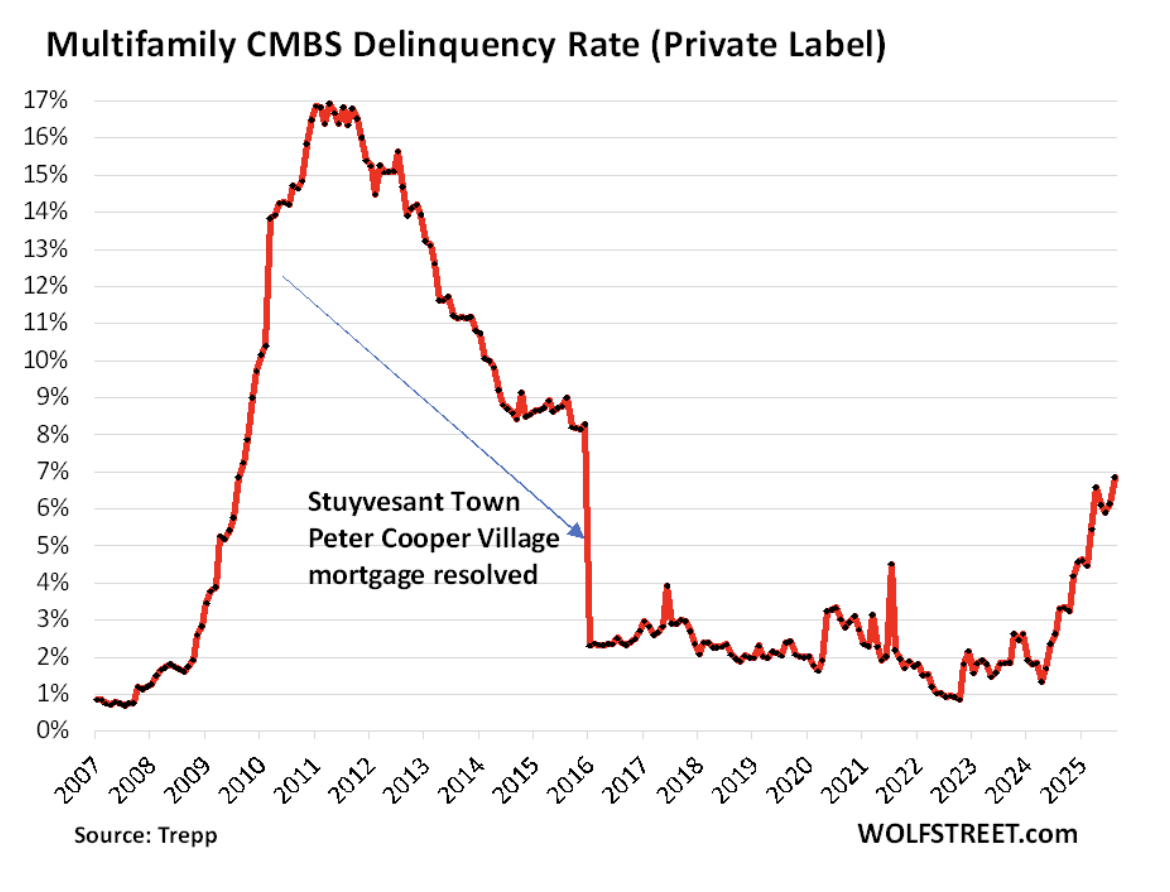
If credit spreads widen will companies fail?
And will that unravel the stock markets’ tale?
Right now, spreads for IG sit near one percent
And Junk’s above eight with investors content
However, the biggest risk this year could be
The absence of corporate debt liquidity
If IG spreads widen 200 bps more
The outcome could be a GFC encore
This takes us to stocks, both at home and abroad
Which last year saw rallies we all did applaud
But will this year bring us some more of the same?
Or have things been altered? Is there a new game?
If my crystal ball is in any way clear
The outcome could well be a frightening year
Remember, the driver of last year’s returns
Was government spending which lacked all concerns
Thus, Cantillon nailed it with where cash would go
And stocks were the winner, of that much we know
But this year the mountain of debt coming due
Could well force decisions of what will ensue
And too, don’t forget if the deficit shrinks
It’s likely to be a great stock market jinx
So, don’t be surprised if December this year
A 10% fall ‘cross all stocks does appear
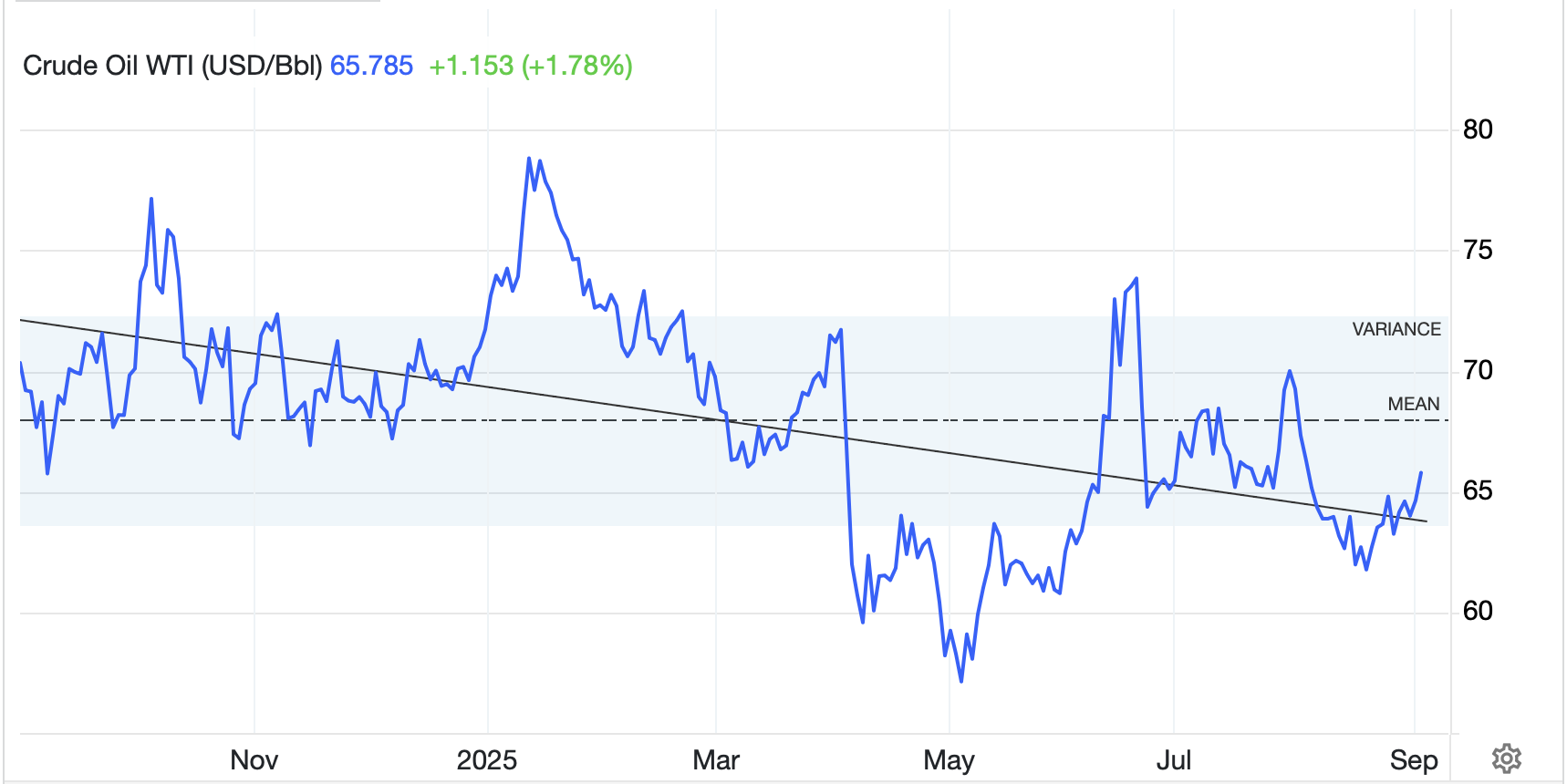
And what of that black, sticky stuff that they drill
Which powers the global economy still
When its price increases, it causes much pain
For most everyone, it can be quite the bane
Consumers, instead, like those prices to sink
But drillers, in that case, cause output to shrink
So, which will it be, will Trump’s mantra come true
Or will, new production, most drillers eschew
I think what is missed is technology’s traction
And how costs per barrel will tend toward contraction
As well, nations worldwide, at last understand
That Carbon Dioxide just cannot be banned
Come Christmas, next, we will see growth in supply
With Fifty per barrel the price we’ll espy
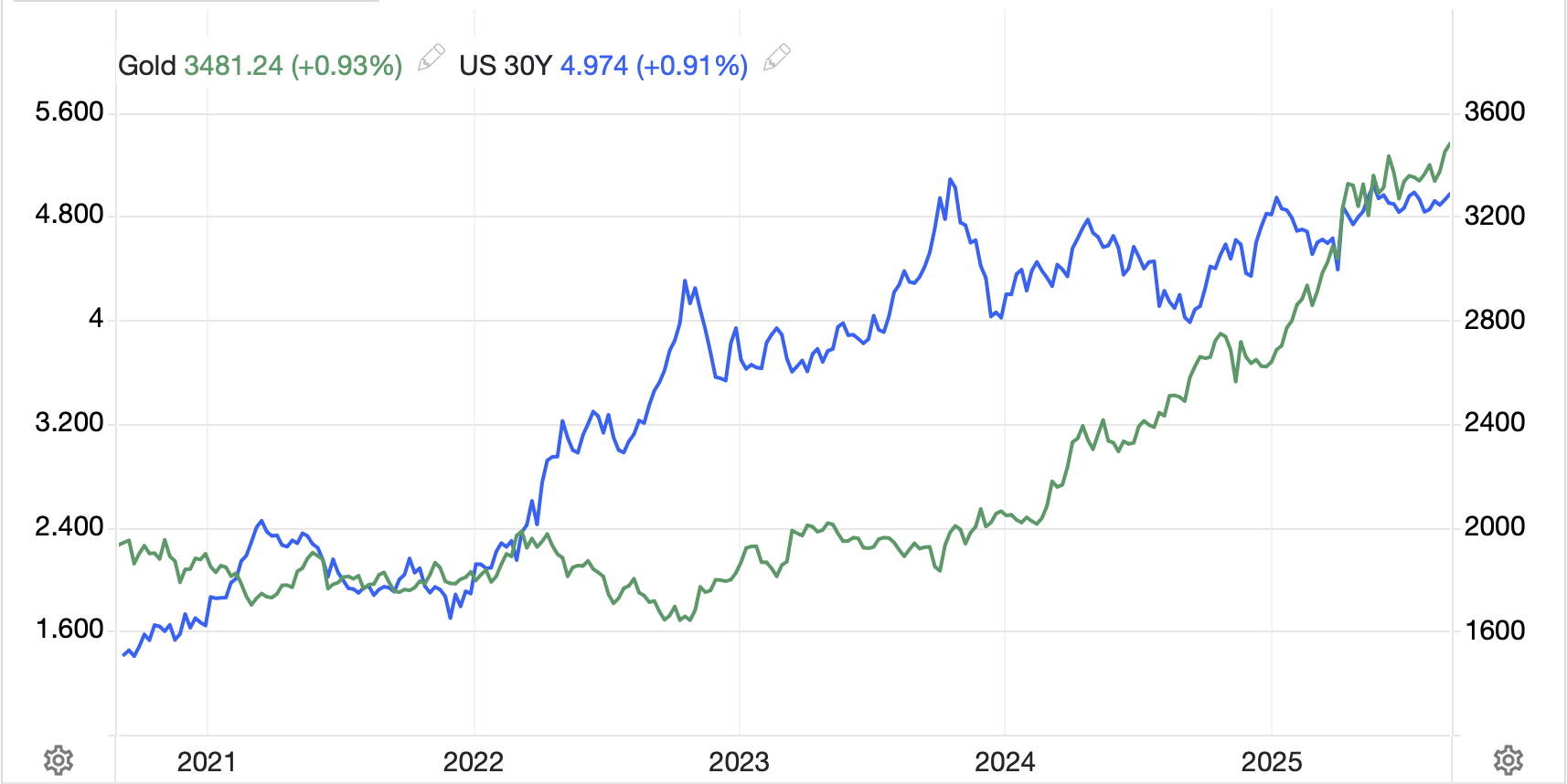
The last place to look is at bright things that shine
Which saw prices move in a vertical line
While gold was the starter, by year end t’was clear
That silver and platinum said, wait, hold my beer
The latter two rising thrice fifty percent
With neither responding to any event
Which brings us to this year, can these trends maintain?
Or are we now set up for infinite pain?
It seems to me that til the summer at least
All three will continue to rise, as with yeast
But when we reach solstice do not be surprised
If views on their future become bastardized
In other words, look for corrections in price
With early year gains given back in a trice
But still, by the end of the year I believe
Five Thousand in Gold is what we will perceive
For Silver, One Hundred could well be the spot
And Platinum, Three Grand, would not be too hot.
To all of my readers and friends, please forgive
My musings if they got too ruminative
This year will see change across many degrees
And some will be painful, while others will please
In sum, I think President Trump can succeed
In changing behavior, though not corporate greed
Reducing the number of government staff
As well as with regs, he can cut those in half
Inward investment will focus on stuff
Instead of on stocks, for the markets that’s rough
Dollars will still be in greater demand
While Treasury yields will be stuck in the sand
IG and Junk are unlikely to win
As rising expenses cut margins quite thin
And still, through it all, precious metals will gain
Though G7 central banks all will abstain
Come Christmas next, nothing will look quite the same
And maybe my views can help you build a frame.
Thank you all for tolerating my punditry and I hope that you all have a wonderful, healthy and successful year ahead.
Adf