None Be Unique

When looking ahead to this week
The noteworthy thing is Fedspeak
At least fifteen times
They’ll give us their dimes’
Worth of knowledge, though none be unique
 
For instance, we already know
Their confidence is rather low
So, absent new data
Do they have schemata
Designed to get ‘flation to slow?


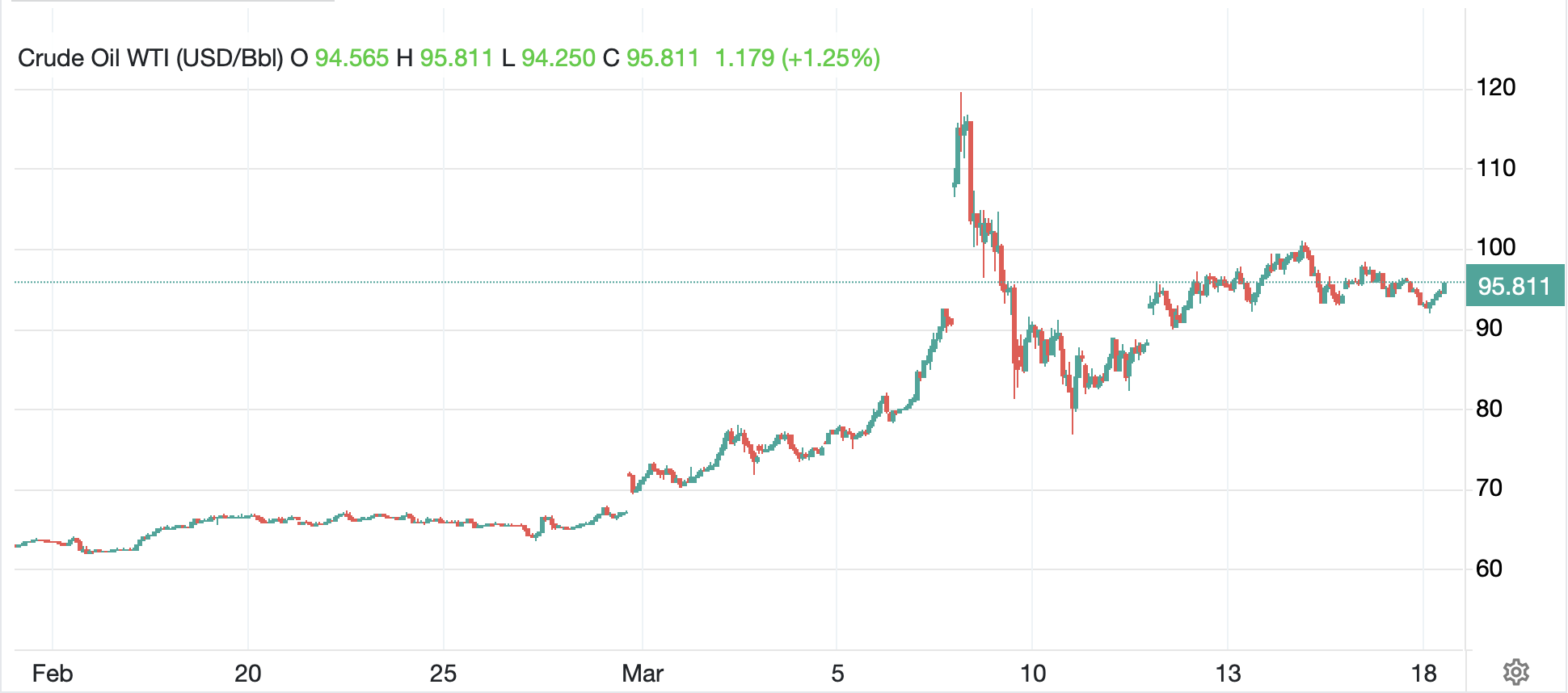
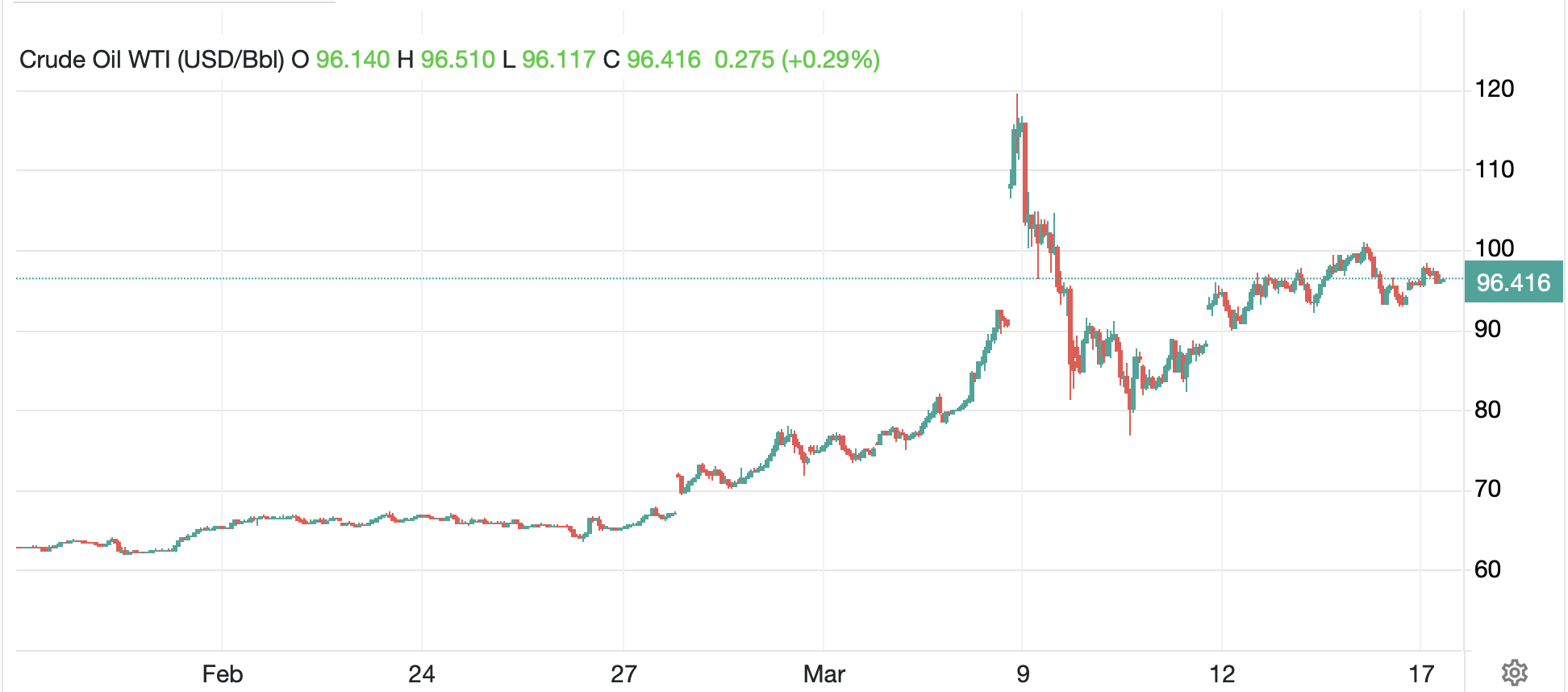
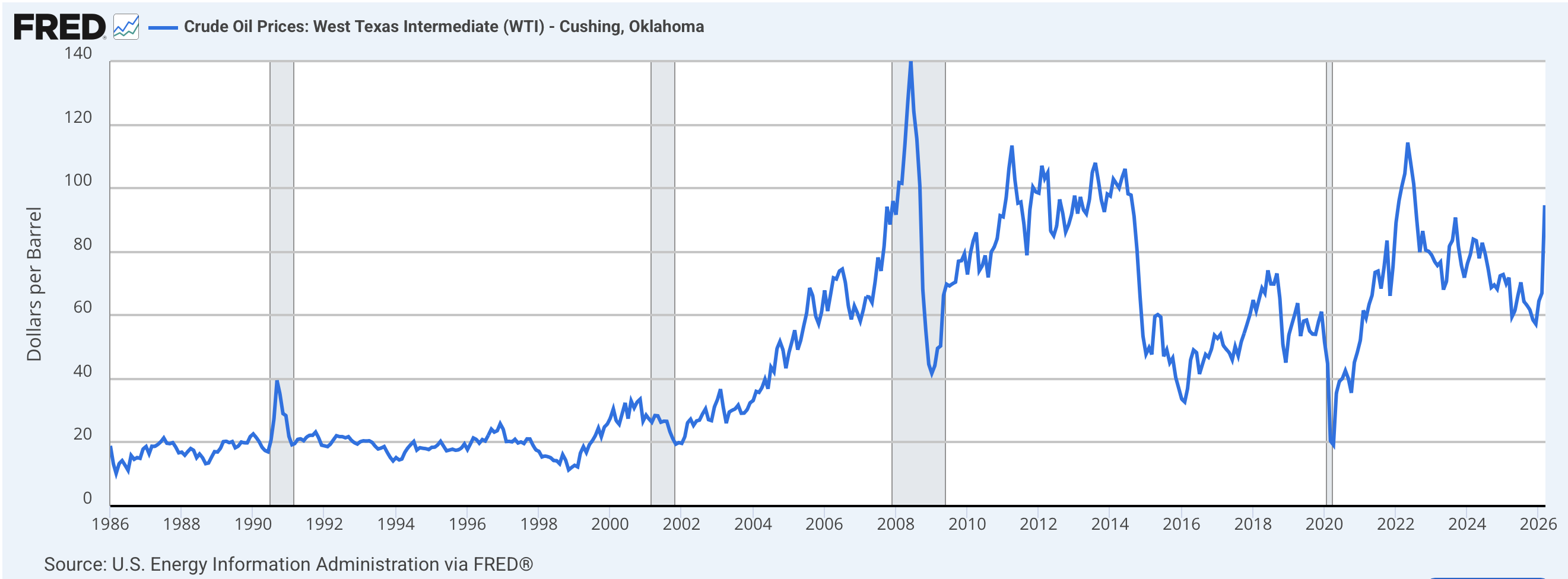
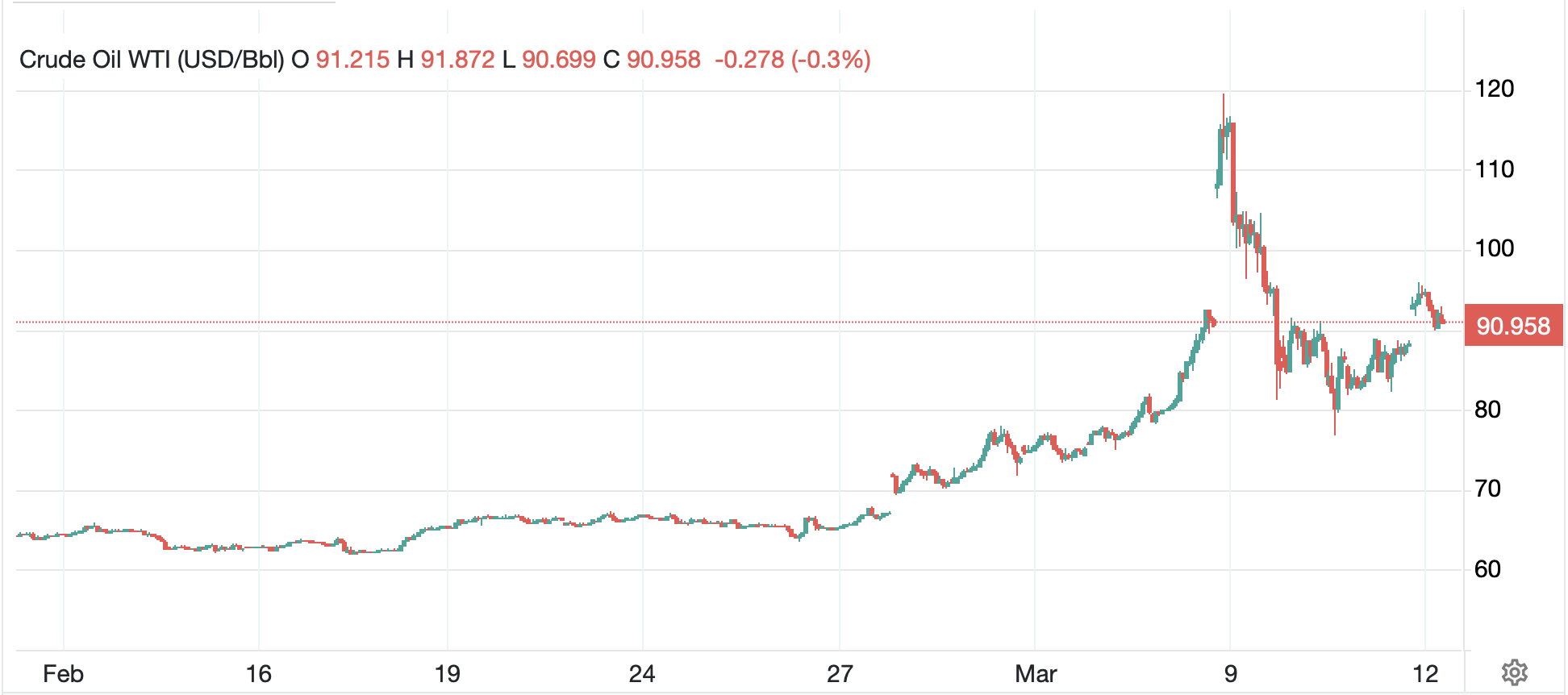
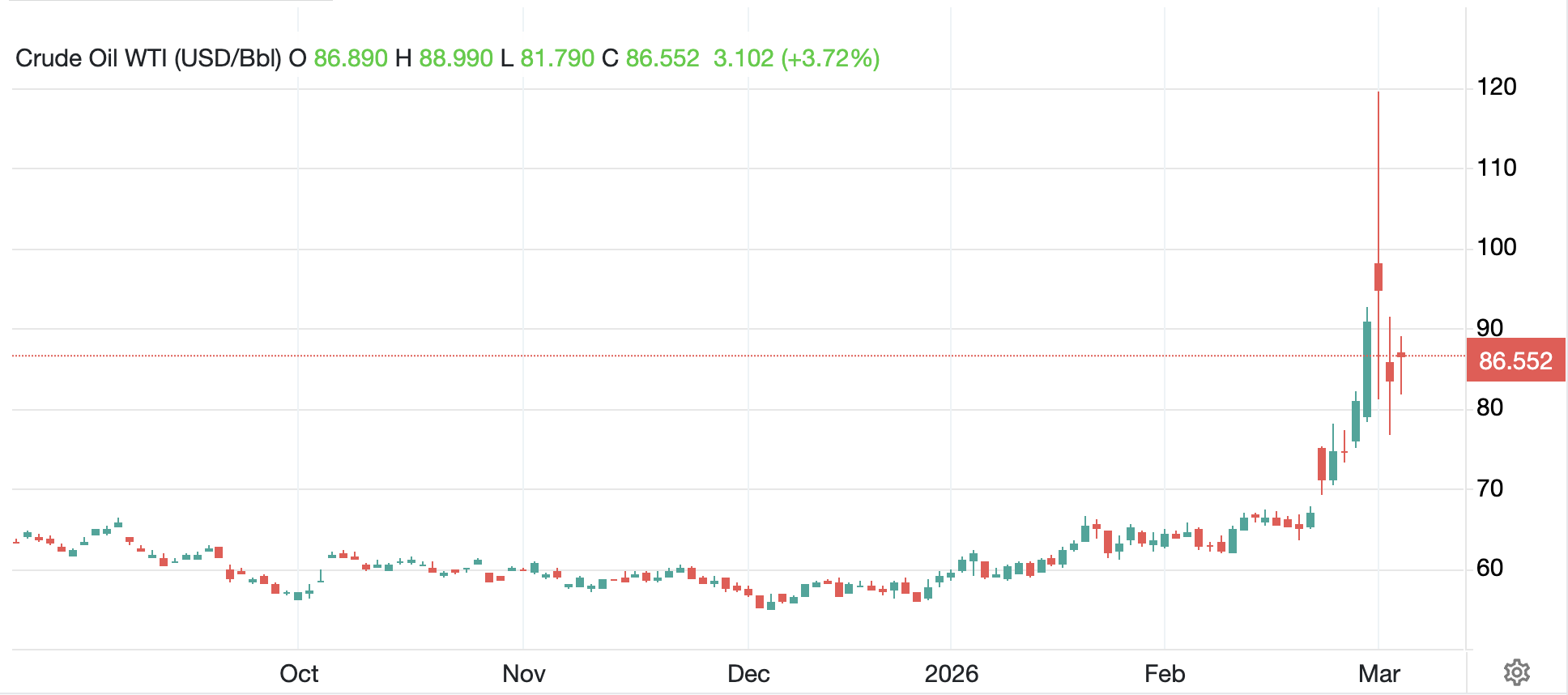
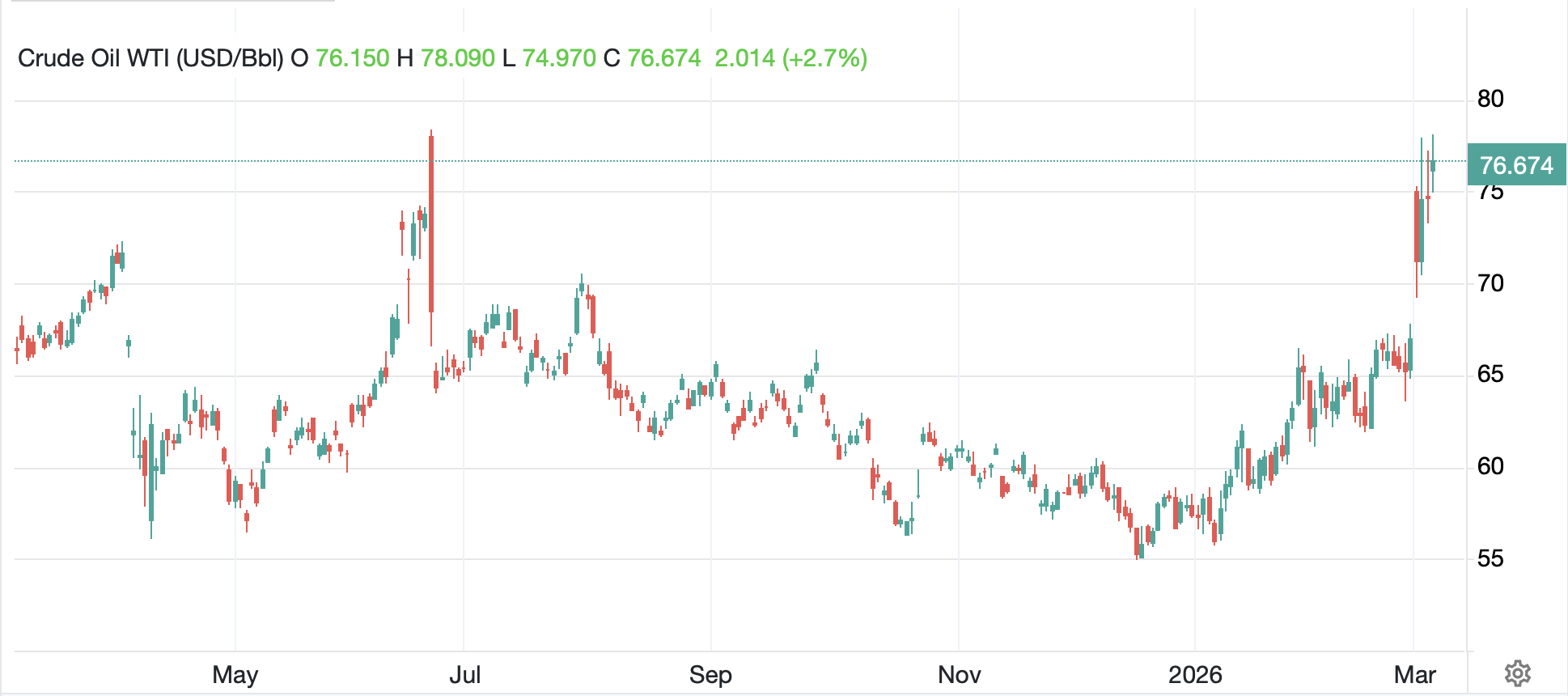
Arguably, the biggest news this morning is the death of the Iranian President and Foreign Minister in a helicopter crash overnight as it opens a range of possibilities regarding the future stance of Iran in the Middle East.  Will it remain the strict theocracy that it has been?  Or will a new leadership recognize the people appear to be growing tired of that stance and want something different.  While it would seem unlikely that there will be a major change, at least from this view thousands of miles away, if one were to come about, it would have a major impact on the Middle East and the ongoing conflict in Gaza.  After all, if Iran stopped funding terrorist groups, that would de-escalate things dramatically and potentially see a significant decline in the price of oil.  At this time, however, there is no information as to who will step into the role and what policies will be followed, so it is a wait-and-see period.  As it happens, oil prices (-0.35%) have edged lower this morning, but this is hardly a sign of anything new.  This will be quite critical to watch going forward.

However, beyond that, there has been vanishingly little new information about which to speak regarding the macroeconomic situation around the world.  The Chinese left their policy rates unchanged, as universally expected, and there has literally not been any other data from any major nation since Friday.  In fact, looking ahead at the calendar for the week, arguably the most significant piece of data to be released is Canadian CPI, or perhaps UK CPI and then on Friday we see the Flash PMI reports. 

Which brings us back to the Fedspeak.  It is staggering to think that the FOMC believes they need to be so visible at this time, especially after Chairman Powell explained that rate hikes were off the table and that while it may take a little longer than they had initially expected, they were still certain that inflation was going to head back to their 2% target.

Speaking of inflation, over the weekend I was reading some analysis (sad, I know) that highlighted if the US used the European HICP calculation the core reading would already be below their target with April’s data coming in at 1.9%.  To me this is a similar stance to what we heard at the end of 2023 when numerous pundits were explaining that the 3-month trend or the 6-month trend was already at 2.0% so why wait to cut?  Of course, the sticky inflation camp (this poet included) was quick to hoist them on their own petard as the recent 3-month and 6-month trends are pointing to 4+% CPI readings going forward.  

In this particular instance the question I would ask is, other than the fact that the reading is lower, why would anyone think that the European HICP inflation reading is a more accurate representation than the BLS representation?  The difference lies in the fact that HICP doesn’t incorporate housing price changes, which given they remain stubbornly high, have been supporting higher CPI readings.  But don’t people pay for their housing?  Certainly, it would be easy to create a lower CPI if you simply remove all the items that are going higher in price.  Unfortunately, that process doesn’t really tell you anything about reality.

Below is a very interesting chart I found on X (nee Twitter) created by Professor Alberto Cavallo of Harvard and Oleksiy Kryvtsov, a Bank of Canada economist, which may be a better description of inflation as felt by the average person.

The fact that prices are rising fastest for the least expensive goods indicates that inflation is a major problem for Joe Sixpack, and no matter how pundits seek to adjust the measurement, so the numbers look better, reality is a harsh mistress.  (If you want to know why President Biden’s numbers are so bad, you needn’t look further than this chart.)  

Alas, there is no escaping the plethora of blather that will be coming from the Fed this week, although I sincerely doubt any of it will change anyone’s opinions about anything.  Ok, it was another generally quiet session overnight with the exception being the ongoing blast higher in metals markets.

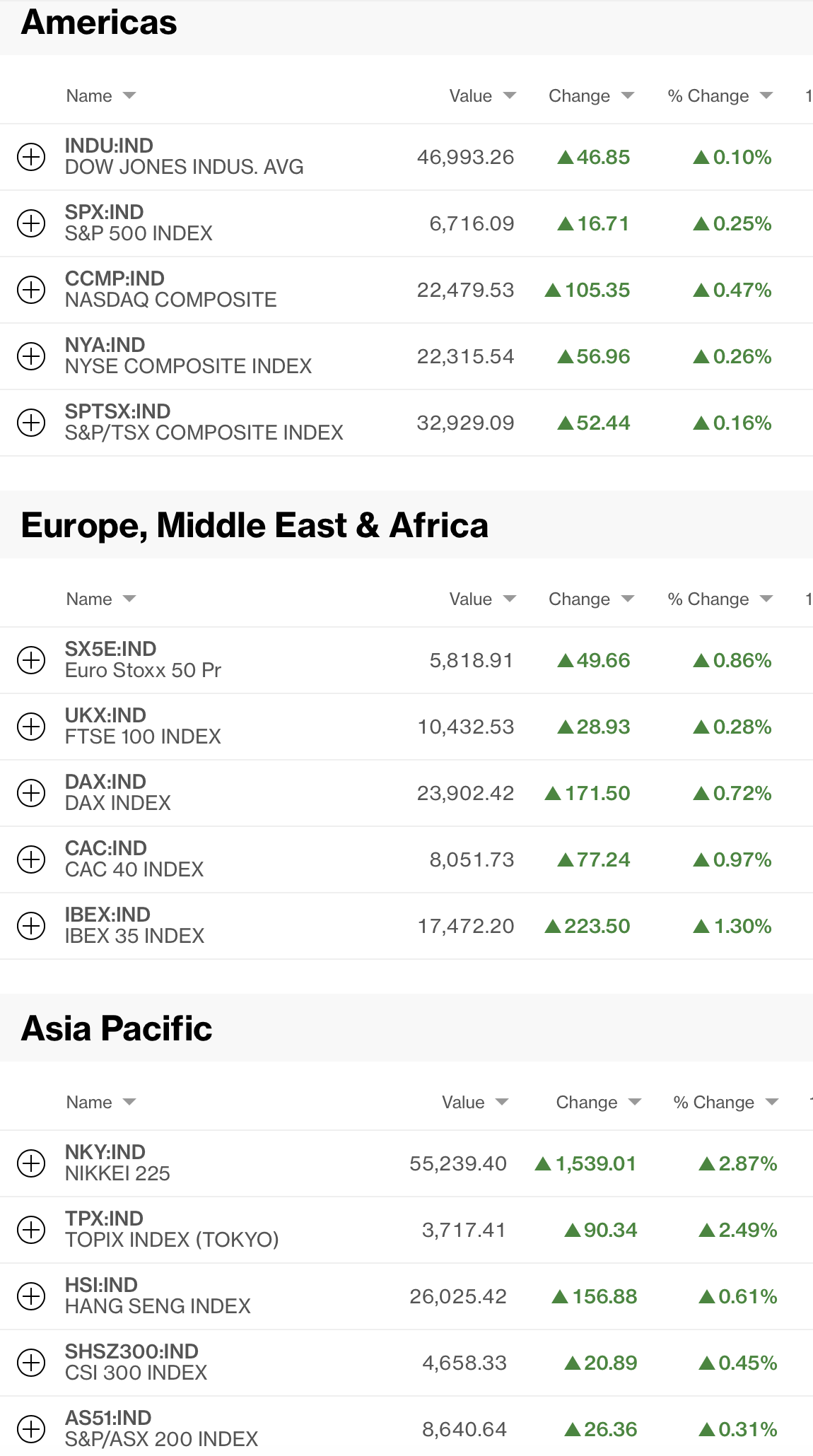
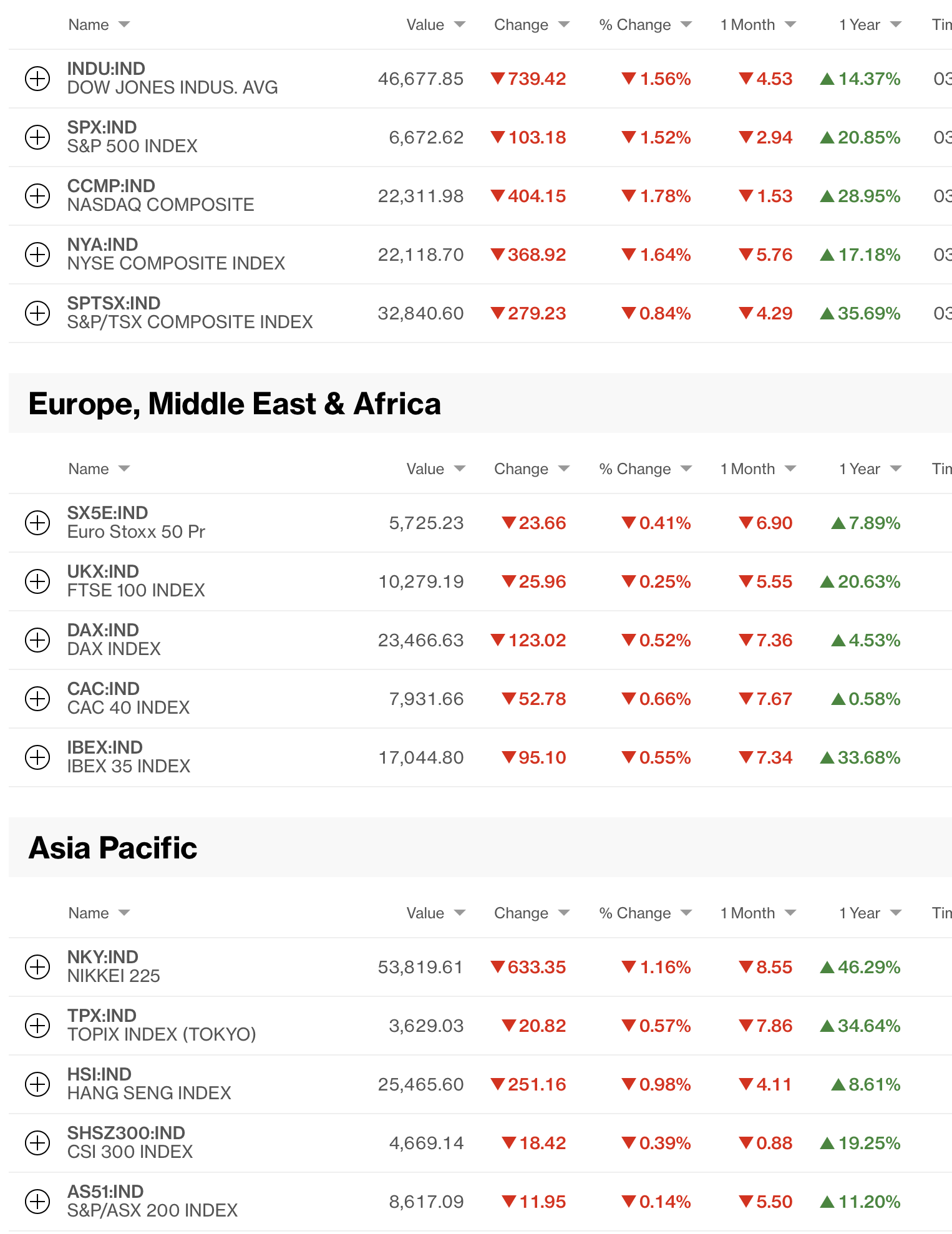
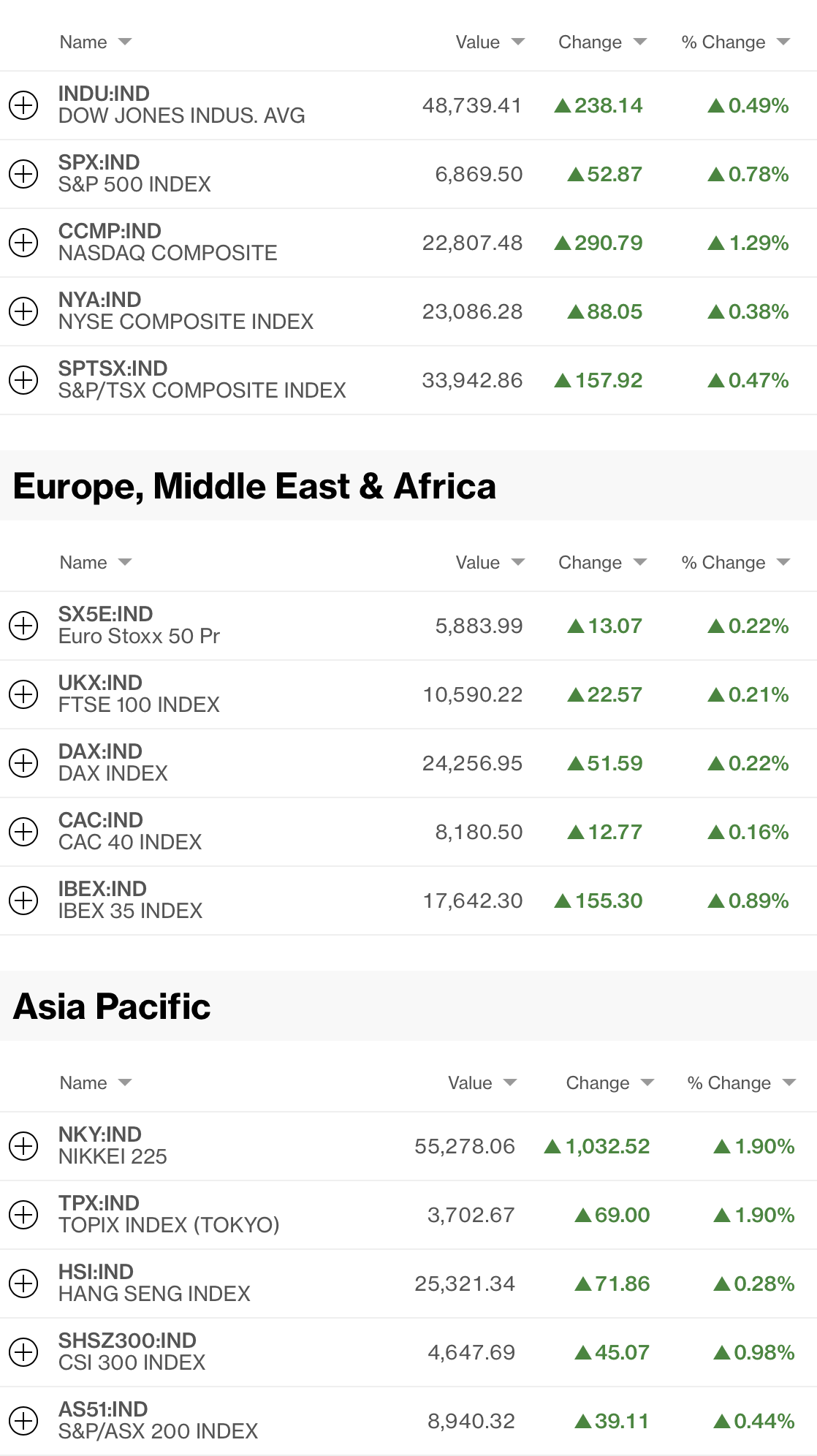
Equity markets have performed well across the board, although the gains have not been too dramatic.  Japan (Nikkei +0.7%) was the best performer although the entire region was in the green to a lesser extent, about 0.35% or so.  In Europe, all the bourses are higher as well, but here the gains are even smaller, on the order of +0.25% across the board while US futures are essentially unchanged at this hour (6:30).

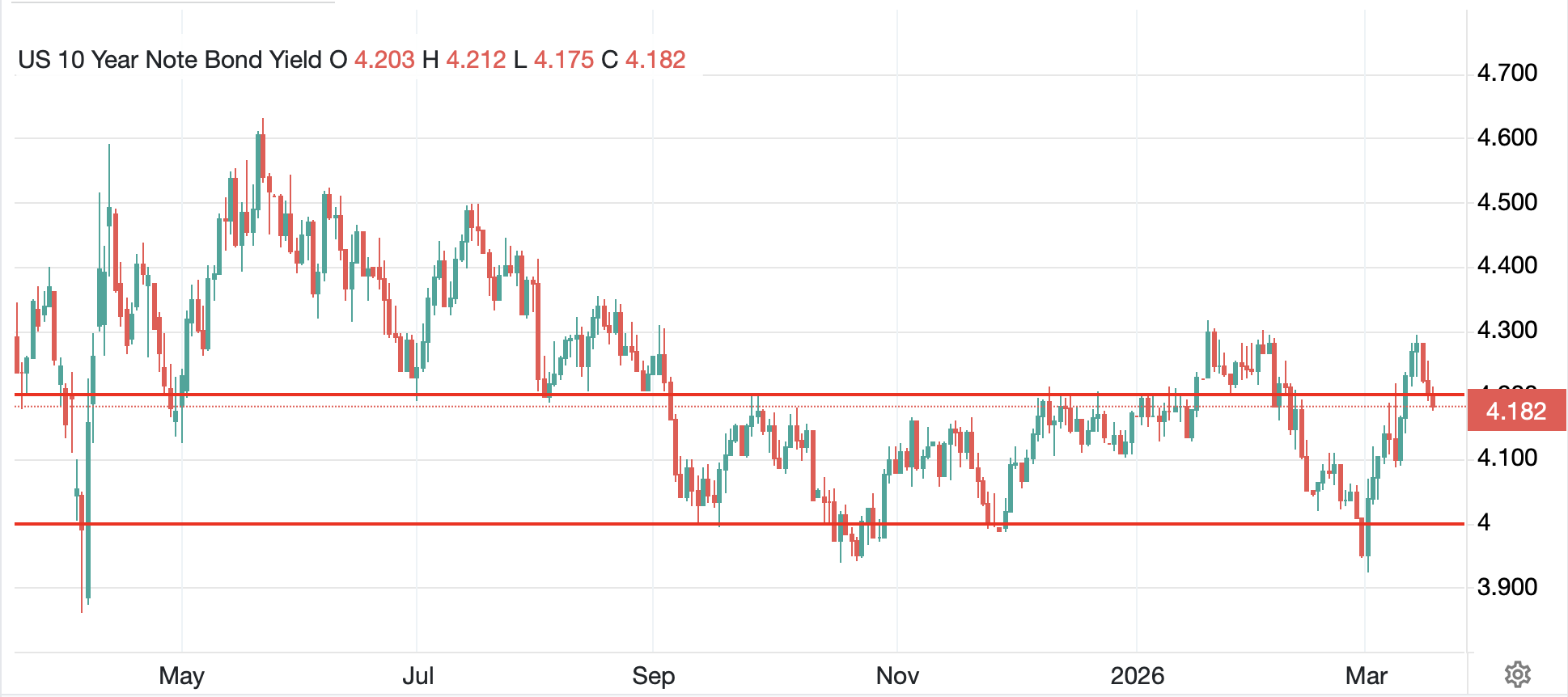
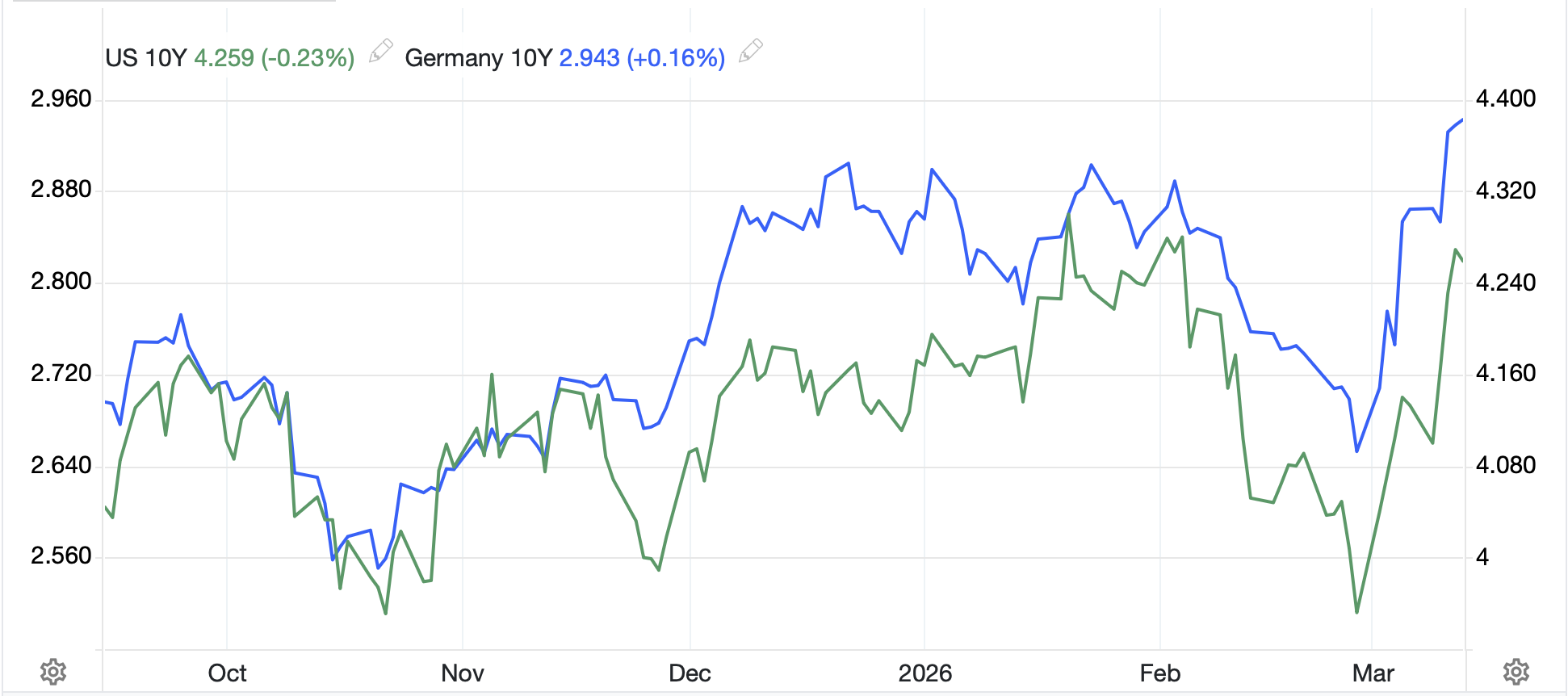
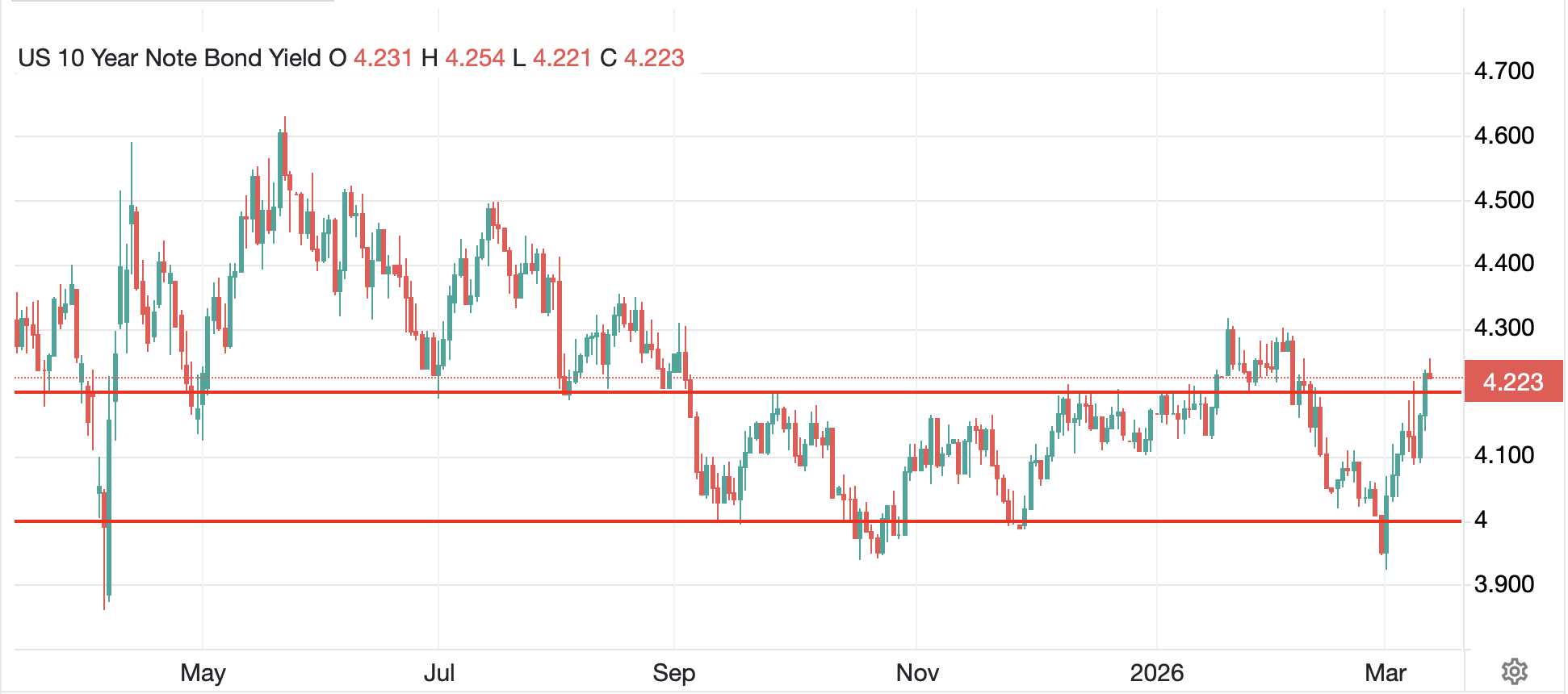
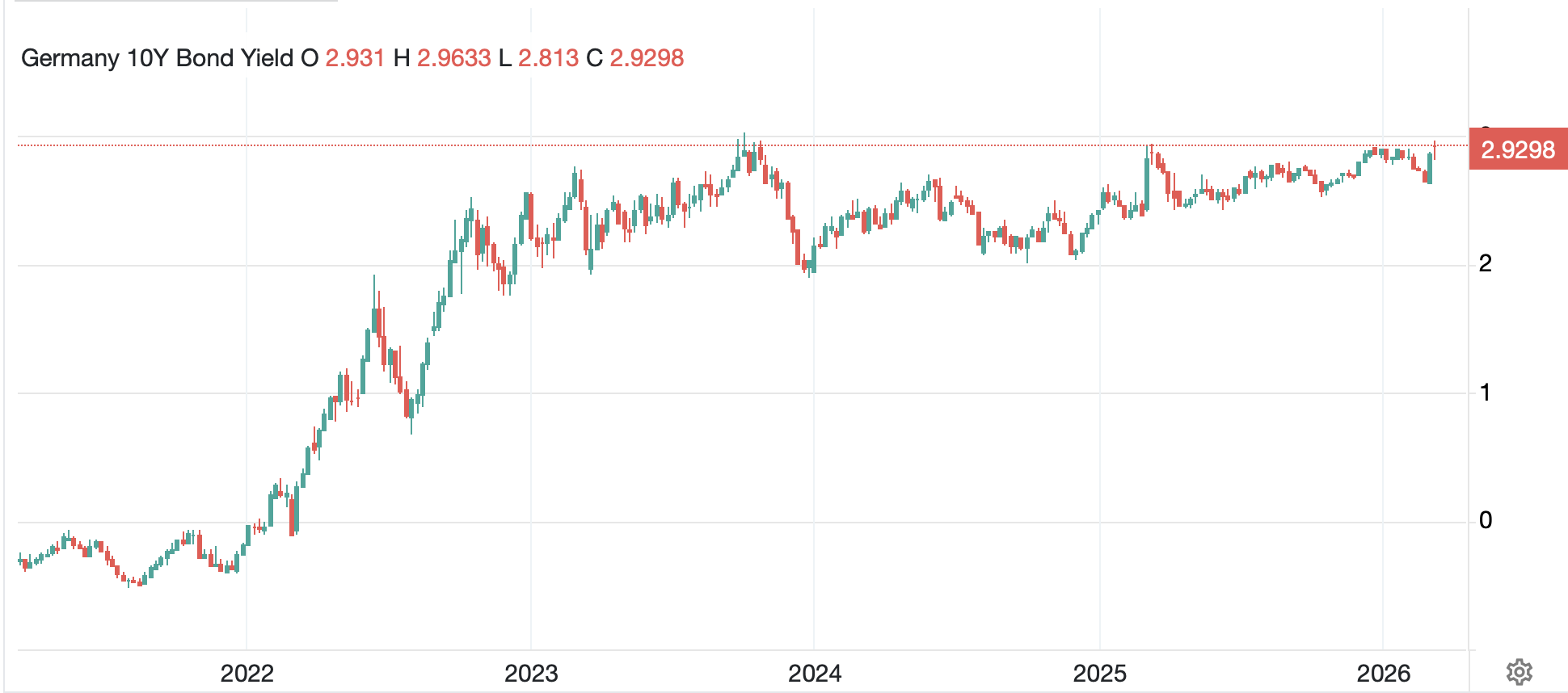
In the bond market, Treasury yields, which backed up 2bps on Friday are unchanged this morning while European sovereigns are higher by roughly 1bp across the board.  ECB speakers have conceded that a rate cut is coming in June, but many are pushing back hard against the idea that a July cut is a sure thing, preferring to wait until September.  However, the really interesting thing is in Japan, where JGB yields have traded up to 0.98%, a new high yield for this move and a level not seen since March 2012.  At this point, it would seem that 1.00% is a foregone conclusion so it will be interesting to see how the BOJ responds when that ‘magic’ number is finally traded.

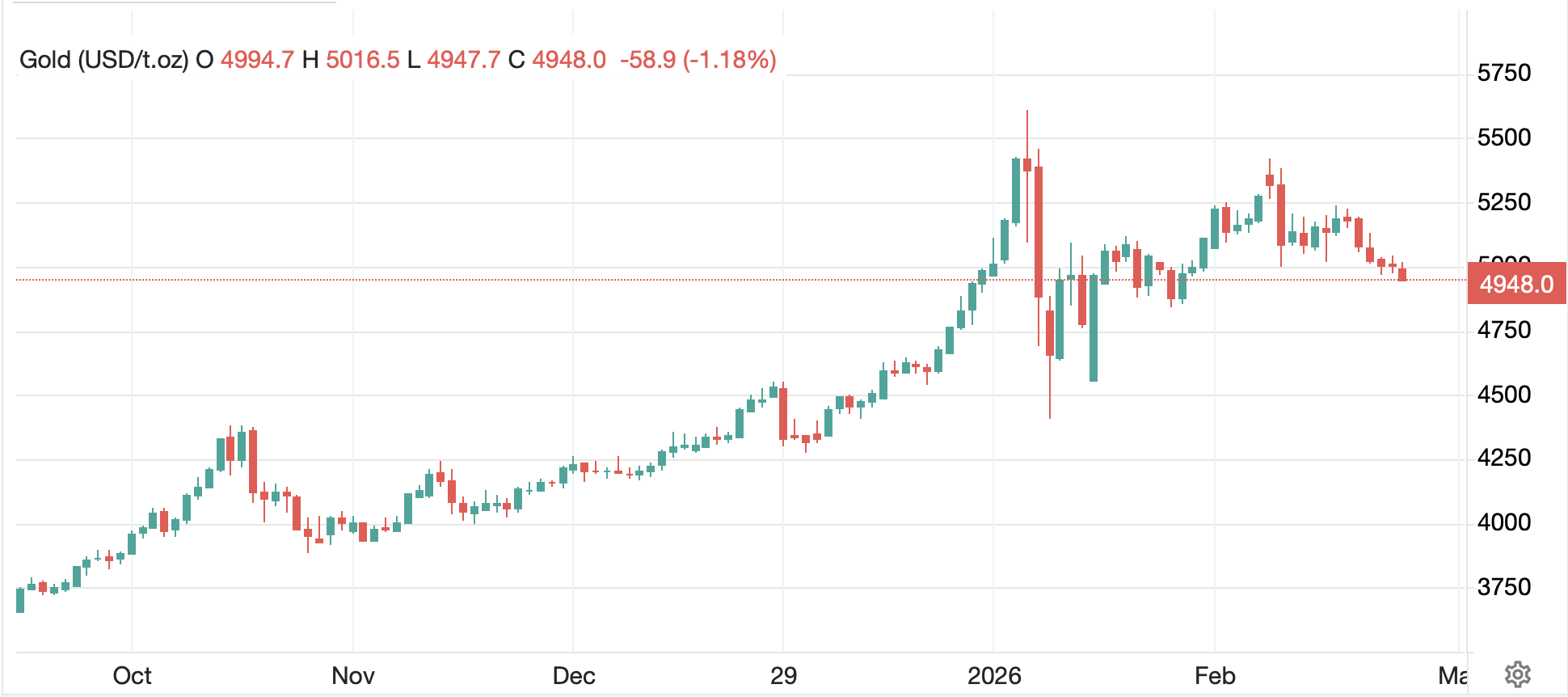
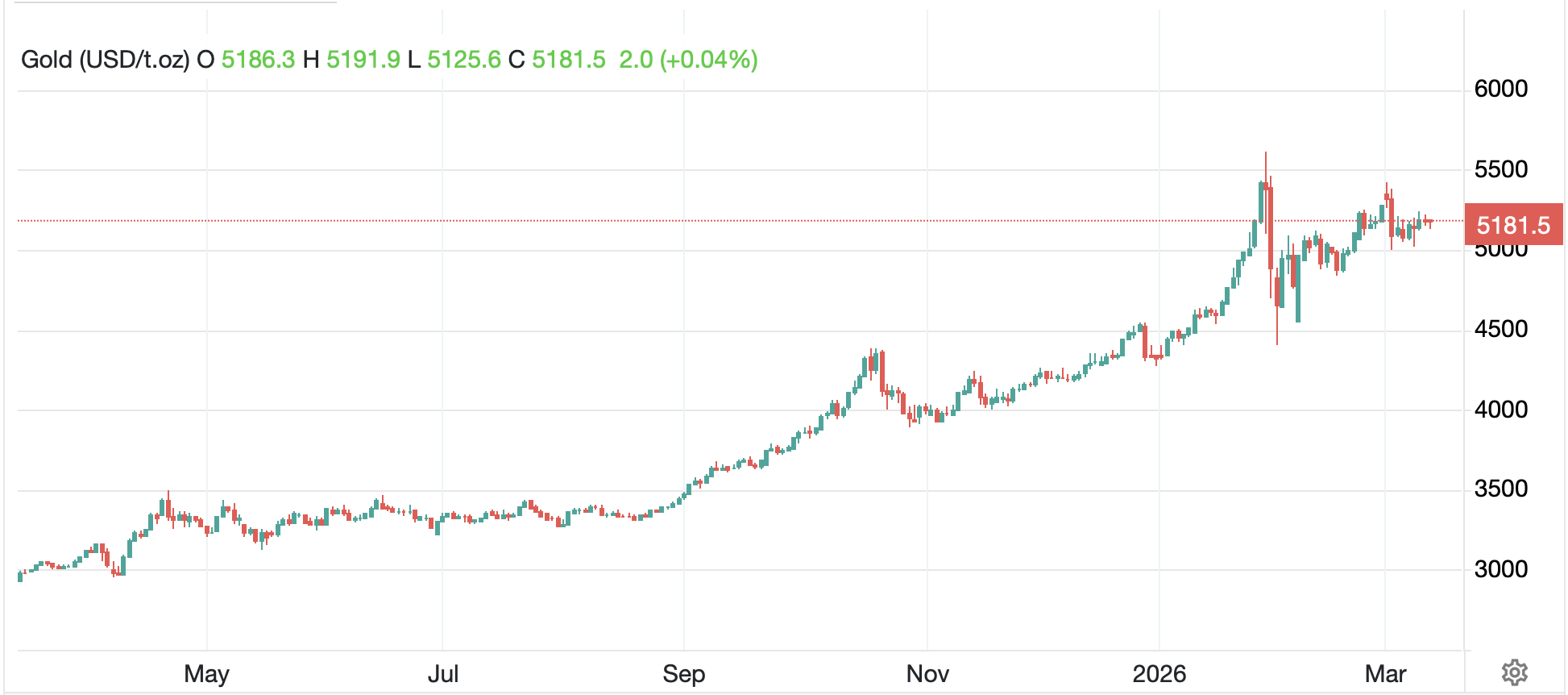
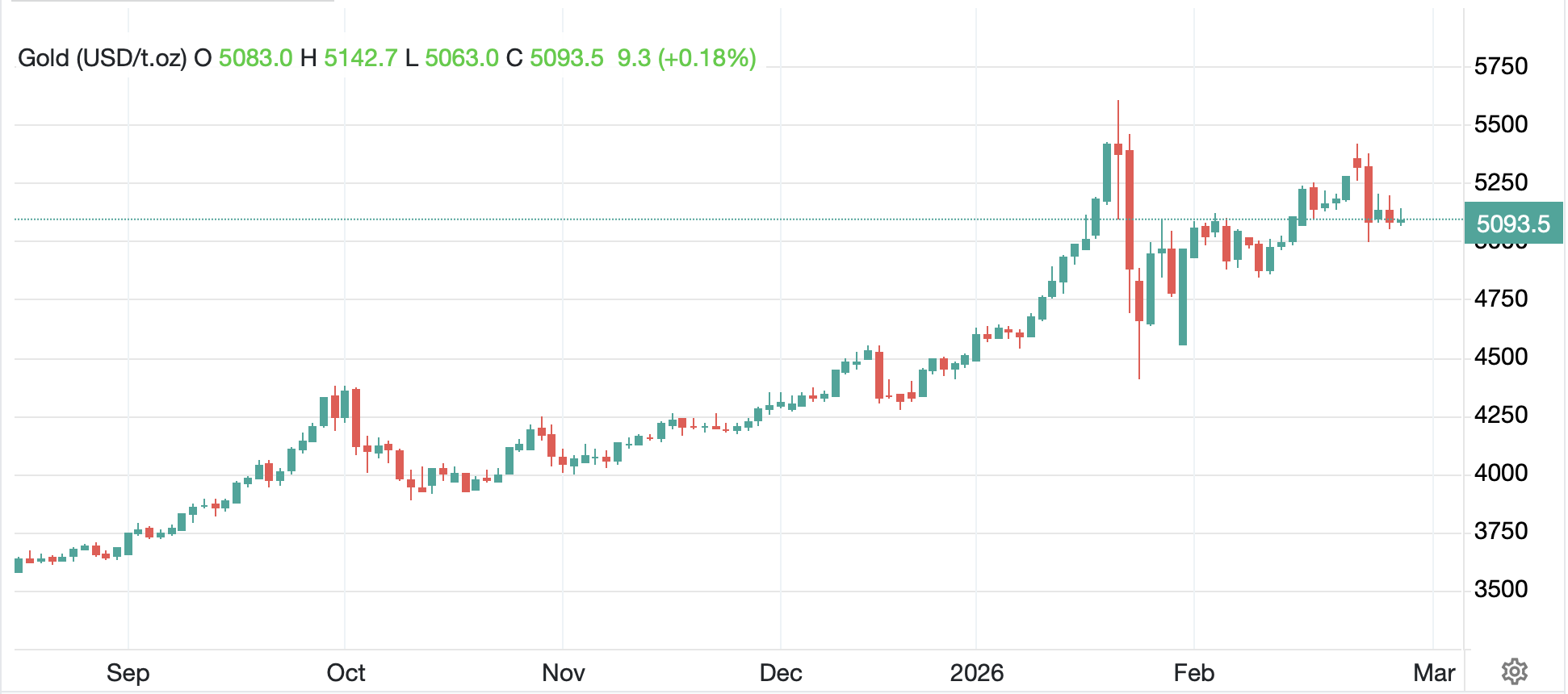
But, as I mentioned above, it is a metals day with gold (+0.9%), silver (+1.1%) and copper (+0.9%) all continuing last week’s strong gains with gold making yet further new highs, copper pushing its historic highs and silver breaking above a key technical resistance level at $30/oz last week and now extending those gains.  While there have been many explanations for this price movement, I think you need to consider precious and industrial metals separately.  For precious, there continues to be a growing concern in the ongoing debasement of the fiat currency universe and both individuals and central banks are seeking to hold alternative assets.  On the industrial side, though, especially copper and silver which are both critical to electronics, the ten-year hiatus in investment due to the ESG cult combined with the recent recognition that all the new-fangled tech wizardry like AI is going to require gobs of power and electrical capacity has simply skewed the supply/demand curve to much more demand than supply.

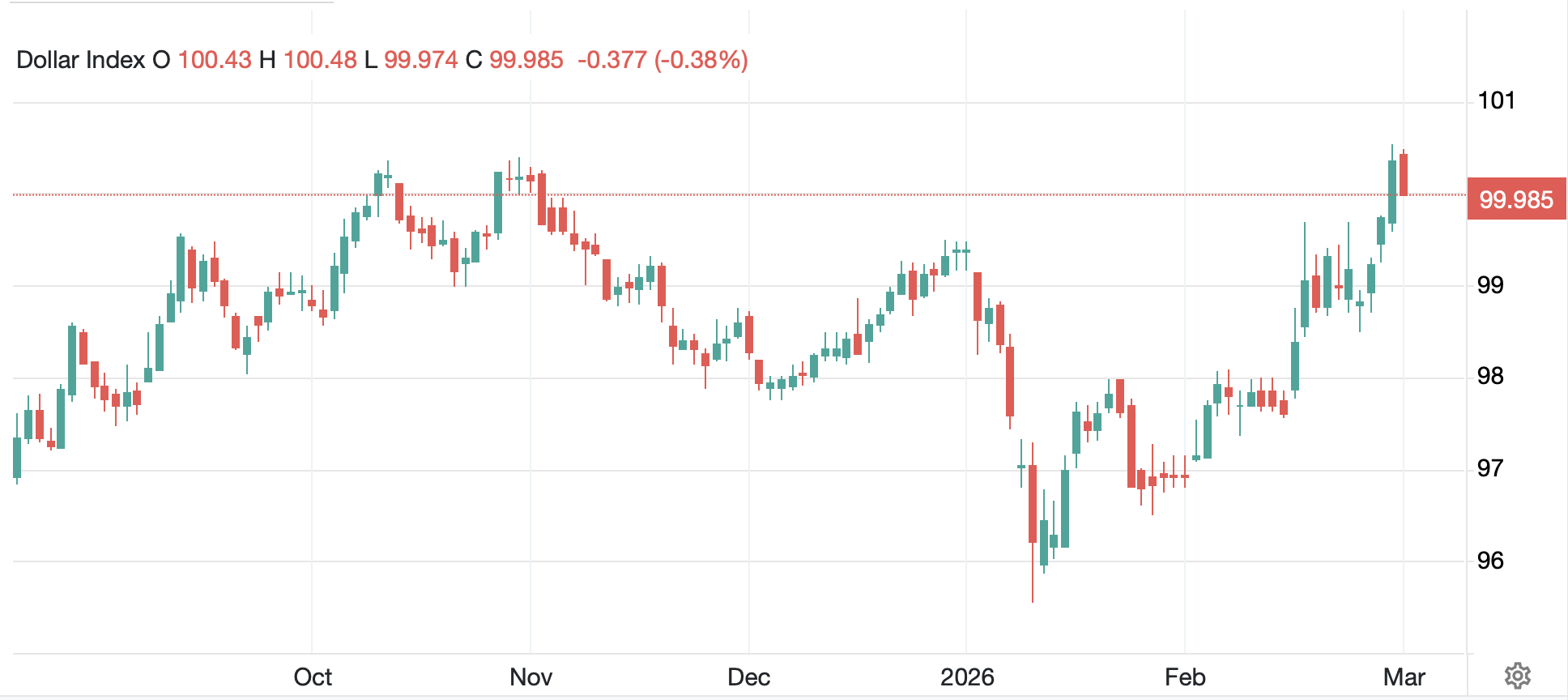
Finally, the dollar is little changed this morning, pretty much at the same level overall since Thursday.  Given the lack of movement in the rates space, this ought not be a surprise.  It also ought not be surprising that the best performing currencies of the past week have been CLP (+3.5%) as it has simply traveled alongside its major export, copper, and ZAR (+5.1%) as it rallies alongside the precious metals complex.  Meanwhile, there has been no movement in the interest rate narrative with, perhaps, the exception of Japan, but what we have learned there lately is that higher JGB yields lead to a weaker yen.  Go figure!

On the data front, as I said earlier, it is extremely light this week,

WednesdayExisting Home Sales4.22M
 FOMC Minutes 
ThursdayInitial Claims220K
 Continuing Claims1799K
 New Home Sales680K
FridayDurable Goods-0.7%
 -ex Transport0.1%
 Michigan Sentiment67.6
Source: tradingeconomics.com

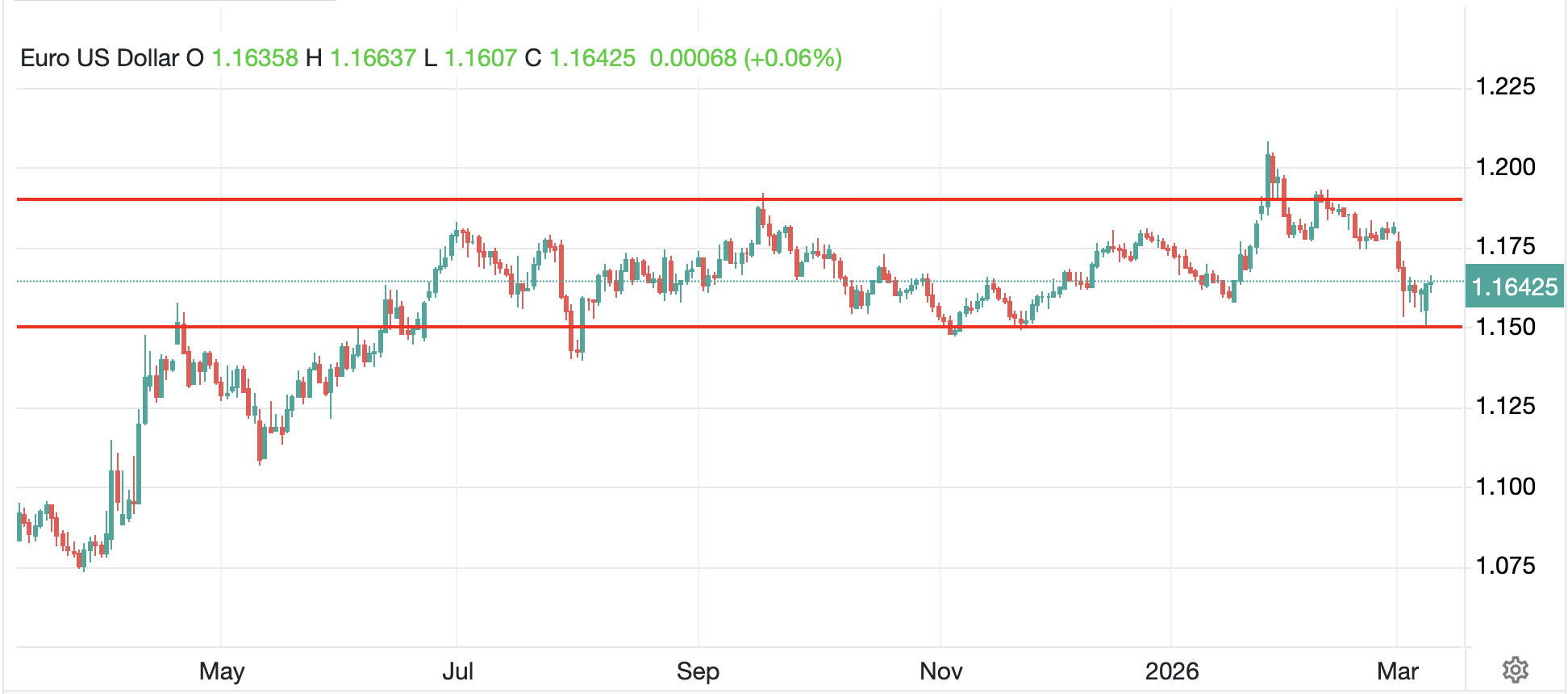
It is not clear, given how much we have already heard from Fed speakers since the last FOMC meeting, that the Minutes will be very informative.  Perhaps the discussion about QT will change some minds, but I doubt it.  Otherwise, if stocks continue to rally, market players will be happy and not try to rock the boat.  Meanwhile, the dollar will need a new impetus to break out of this narrow range, but that may not come until next month’s NFP data.

Good luck

Adf

Views Will Be Tested

When looking ahead to this week
With data and central bank speak
Some views will be tested
And some have suggested
The market is reaching its peak

But there is a growing belief
The future (that’s AI in brief)
Is shiny and bright
And stocks will take flight
Beware though, it could lead to grief

First a correction to Friday’s note regarding the blip lower in oil prices.  It was not inventory data but a story on a relatively obscure website, Middle East Eye, (h/t @inflation_guy) that discussed a seeming breakthrough in US-Iran talks that would allow Iran to export up to 1 million bbl/day in exchange for an agreement to slow their Uranium processing.  However, the story was vehemently denied by both the Iranians and the US and has been consistently denied since then by both sides repeatedly.  Now, I am of two minds on this story as denials of this extremity tend to point to some reality underlying the situation, but politically it would seem very difficult for the Biden administration to be seen to be negotiating with Iran heading into an election.  Regardless of the driver though, oil (-2.2%) is falling sharply again today with WTI below $69/bbl now.  This continues to point to the dichotomy of commodity markets sensing significant global slowing in growth while the equity markets see the world growing gangbusters.  Both sides cannot be correct, so at least one set of markets will need to adjust going forward.


Meanwhile, after an extremely lackluster week regarding new information, this week is exactly the opposite with critical data points like CPI as well as three major central bank meetings, Fed, ECB and BOJ.


Tuesday

NFIB Small Biz Optimism

88.4


CPI

0.2% (4.1% Y/Y)


-ex food & energy

0.4% (5.2% Y/Y)

Wednesday

PPI

-0.1% (1.5% Y/Y)


-ex food & energy

0.2% (2.9% Y/Y)


FOMC Rate Decision

5.25% (unchanged)

Thursday

ECB Rate Decision

3.50% (0.25% increase)


Initial Claims

250K


Continuing Claims

1787K


Retail Sales

-0.1%


-ex autos

0.1%


Empire Manufacturing

-15.1


Philly Fed

-13.0


IP

0.1%


Capacity Utilization

79.7%


Business Inventories

0.2%

Friday

BOJ Rate Decision

-0.1% (unchanged)


Michigan Sentiment

60.1

Source: Bloomberg


So, clearly, we have a lot to absorb this week although today is lacking in new news.  A quick look at the PPI data shows why there is a growing cadre of people who are in the ‘inflation is over’ camp, as the Y/Y data is collapsing back to levels with which we are more familiar over the past decades.  However, I would highlight that core CPI remains well above the Fed target with only a very slow decline ongoing.  I remain in the sticky inflation camp on the basis of both personal experience and the fact that a critical part of the statistic, housing, is not actually showing any real declines.  Here is a link to an excellent article that helps explain the fact that rents are not declining very much at all, in reality, and if housing costs continue to climb, so will CPI.


I think the real question is what will happen if the CPI number is hot, say 5.5% core and showing no indication that the much hoped for slowing is ongoing?  How will the Fed respond the following day?  Remember, the market is largely priced for a pause skip with a 27% probability of a rate hike currently in the futures market, although an 80% chance of one by next month.  However, we all thought Australia was done and they hiked last week.  We all thought Canada was done and they hiked last week.  Will the Fed be willing to ‘surprise’ the market if the data points to continuing inflation pressures? 


This is especially timely as this morning there was a story in Bloomberg explaining that the idea that wage pressures are driving inflation is losing credence with a far less certain outlook on that prospect.  Essentially, a Fed paper was published explaining that while wages and inflation are correlated, the direction of causality, if there is one, is not clear.  That seems like a way for the Fed to be able to pivot their views to a different underlying cause and given housing’s huge importance to the total CPI number, ongoing rises in rentals would certainly be a concern.  One thing we do know is that if the CPI data come out soft, the equity market will rocket higher, at least initially, as the working assumption will be that the Fed is done.  Like I said, lots to anticipate this week.


As to today, the bulls remain in control as Friday’s very modest US rally saw Asia follow higher and Europe currently showing gains on the order of 0.5% – 0.6%.  US futures are following suit, with NASDAQ futures up 0.5% at this hour (7:45) and leading the way.


Treasury yields are little changed this morning with the yield up just 1bp although European sovereign yields are all lower, especially Italy (-5.6bps) after the news that former Italian PM, Silvio Berlusconi, passed away overnight.  As he was still quite active in Italian politics and a key force in the Forza Italia party, the story is that his passing will have removed some anxiety from markets and allow the Bund – BTP spread to narrow further still.  Perhaps of more interest is the increasing inversion in the 2yr-10yr portion of the curve, now back to -86bps, and a direct result of the massive amount of Treasury issuance that has been happening since the debt ceiling was removed.  In fact, today there are auctions for 3m, 6m and 1y bills and 3y and 10y notes to the tune of $278 billion, a huge amount of supply.  Do not be surprised if the curve inversion continues further.


Finally, looking at the dollar, it is generally, though not universally softer.  Given oil’s decline, it is no surprise that NOK (-0.35%) is the G10 laggard, but there is also a bit of weakness in the CHF (-0.25%) on the back of a slight decline in Sight Deposits there.  Meanwhile, the rest of the bloc is modestly firmer with no outsized gainers.  In the EMG bloc, ZAR (+1.1%) continues its recent strength, having rallied 7% this month on continued belief that the electricity situation in the country is getting better.  But away from that, and the fact that TRY (-0.7%) continues to slide, the rest of the bloc appears to be awaiting the upcoming onslaught of news this week.


I have a sense that by the end of this week, we may have new marching orders from the markets.  I would not be surprised to see a hot CPI print get the Fed to hike instead of skipping and if we see something like that, I would look for the dollar to test its recent resistance levels and potentially break through.  Correspondingly, if CPI is soft, I imagine the market will assume the Fed is done, and we will see equities rally with the dollar falling, at least for the first leg of the move.  We shall see starting tomorrow.


Good luck

Adf
Just Dreams

Last night saw a rocket attack
On assets, US, in Iraq
The oil price surged
While stocks were submerged
’neath selling by bulls who cut back

This morning, however, it seems
Concerns about war were just dreams
The losses reversed
As traders still thirst
For assets now priced at extremes

What a difference a day makes…or does it? Yesterday saw market participants’ initial evaluation of the threat of escalation in Iran/Iraq as limited with the result that early price action favoring haven assets reversed and most markets closed within a few basis points of Monday’s prices. The one exception to that rule was the dollar, which maintained its bid all day long, actually extending its gains late into the session. Other than the idea that international investors are buying dollars so they can buy US stocks, it is hard to come up with a short term rationale for the dollar’s recent strength. If anything, news this morning that the Fed’s balance sheet has grown even further, to $4.17 trillion, would imply that a weaker dollar is in the offing.

Of course, last night, shortly after the US markets closed, came the news that Iran fired a number of missiles at two different military bases in Iraq that are jointly used by the US and Iraqi militaries. There was a great deal of huffing and puffing from Iran, they announced the attacks themselves on Iranian TV, but in the end, they were nothing more than damp squibs. There was no material damage and no personnel killed, or even severely wounded. (And that is a good thing!) But at the time the news hit the tape, this outcome was not clear and risk assets plunged while haven assets soared. Thus, overnight saw gold trade up to $1610/oz, WTI rise to $65.65 (Brent to $71.75), Treasury yields fall to 1.74% and the yen rise to 107.65 (0.75%). But that price action, and the fear driving it, was quite short-lived. Once it became clear that the Iranian retaliation was completely ineffective, and they announced they were not interested in a major conflict, essentially all of that movement was reversed. So this morning we see gold at $1579/oz, WTI at $62.60, Treasury yields back to 1.82% and the yen actually net weaker on the day, at 108.70 (-0.25%).

This begs the question of how to consider this new potential risk going forward. The first rule of an exogenous market risk is the law of diminishing returns. In other words, even if there is another attack of some sort, you can be sure that the haven rally will be smaller and risk assets will not decline as much as the first time. And since this entire affair is occurring in a locale that, other than oil production, has almost no impact on the global economy, the impact is likely to be even smaller. Now I waved off oil production as though it is not important, but there is no question that the remarkable rise of US oil production has significantly altered the global politics of oil. When the Middle East was responsible for more than 50% of global production, OPEC ruled the roost, and anything that happened there had a global impact. But as oil production elsewhere in the world has grown and OPEC’s market share sinks below 40% (remember, the US is the world’s largest oil producer now), the impact of Middle Eastern conflagrations has fallen dramatically. The point is that short of a major attack by Iran on Saudi oil facilities or attempts to close the Persian Gulf, this situation has probably driven all the market excitement it is going to. In other words, we need to look elsewhere for market catalysts.

With that in mind, if we turn to the ongoing data releases, we find that German Factory Orders once again missed the mark, falling 6.5% Y/Y in November, highlighting that the industrial malaise in the engine of Europe continues. French Consumer Confidence fell more than expected, and Eurozone Confidence indices were almost uniformly worse than expected. It is difficult to look at this data and conclude that the situation in Europe is improving, at least yet. I guess, given this situation it should be no surprise that the euro is lower again this morning, down 0.3%, and actually trading at its lowest point this year (a little unfair, but the lowest level in two weeks). But the dollar’s strength is evident elsewhere in the G10 as the pound remains under pressure, -0.1% today and 0.45% this week. And the same is true pretty much throughout the space.

In the EMG bloc, the results have been a bit more mixed overnight with THB the worst performer (-0.5%) after comments from the central bank decrying the baht’s strength and implying they may do something about it. Remember, too, that APAC currencies, in general, saw weakness on the fear story, which dissipated after those markets closed. On the flip side, ZAR is the day’s biggest gainer, +0.6%, completely recouping its early-session Middle East related losses, as investors apparently focused on the incipient US-China trade deal and how it will benefit the global economy and South African interests.

On the US data front, yesterday saw a smaller than expected Trade Deficit and better than expected ISM data (55.0 vs. 54.5 exp). This morning we are awaiting the ADP Employment numbers (exp 160K) and Consumer Credit ($16.0B) this afternoon. We also hear from Fed Governor Lael Brainerd this morning, but it doesn’t appear as though she will focus on monetary policy as part of her discussion on the Community Reinvestment Act.

In the end, US data has continued to perform well, which thus far has been enough to offset the early impact of the Fed’s (not) QE. However, as the Fed balance sheet continues to grow, I continue to look for the dollar to decline throughout the year. As such, payables receivers should consider taking advantage of the dollar’s early year strength.

Good luck
Adf
 

What’s Most Feared

For almost two days it appeared
That havens were to be revered
But with rates so low
Investors still know
That selling risk is what’s most feared

By yesterday afternoon it had become clear that market participants were no longer concerned over any immediate retaliation by Iran. While there have been a number of comments and threats, the current belief set is that anything that occurs is far more likely to be executed via Iranian proxies, like Hezbollah, rather than any direct attack on the US. And so as the probability of a hot war quickly receded in the minds of the global investment community, all eyes turned back toward what is truly important…central bank largesse!

As I briefly mentioned yesterday, there was a large gathering of economists, including many central bankers past and present, this past weekend in San Diego. The issue that seemed to generate the most interest was the idea of negative interest rates and whether their implementation had been successful, and more importantly, whether they ever might appear as part of the Fed’s policy toolkit.

Chairman Powell has made clear a number of times that there is no place for negative rates in the US. This sentiment has been echoed by most of the current FOMC membership, even the most dovish members like Kashkari and Bullard. And since the US economy is continuing to grow, albeit pretty slowly, it seems unlikely that this will be more than an academic exercise anytime soon. However, a paper presented by some San Francisco Fed economists described how negative rates would have been quite effective during the throes of the financial crisis in 2008-2009, and that stopping at zero likely elongated the pain. Ironically, former Fed chair Bernanke also presented a paper saying negative rates should definitely be part of the toolkit going forward. This is ironic given he was the one in charge when the Fed went to zero and had the opportunity to go negative at what has now been deemed the appropriate time. (Something I have observed of late is that former Fed chairs are quite adept at describing things that should be done by the Fed, but were not enacted when they were in the chair. It seems that the actuality of making decisions, rather than sniping from the peanut gallery, is a lot harder than they make out.)

At any rate, as investors and analysts turn their focus away from a potential war to more mundane issues like growth and earnings, the current situation remains one of positive momentum. The one thing that is abundantly clear is that the central bank community is not about to start tightening policy anytime soon. In fact, arguably the question is when the next bout of policy ease is implemented. The PBOC has already cut the RRR, effective yesterday, and analysts everywhere anticipate further policy ease from China going forward as the government tries to reignite higher growth. While Chairman Powell has indicated the Fed is on hold all year, the reality is that they are continuing to regrow the balance sheet to the tune of $60 billion / month of outright purchases as well as the ongoing repo extravaganza, where yesterday more than $76 billion was taken up. And although this is more of a stealth easing than a process of cutting interest rates, it is liquidity addition nonetheless. Once again, it is this process, which shows no signs of abating, which leads me to believe that the dollar will underperform all year.

Turning to today’s session we have seen equity markets climb around the world following the US markets’ turn higher yesterday afternoon. Bond prices are little changed overall, with 10-year Treasury yields right at 1.80%, and both oil and gold have edged a bit lower on the day. Certainly, to the extent that there was fear of a quick reprisal from Iran, the oil market has discounted that activity dramatically.

Meanwhile, the dollar is actually having a pretty good session today, rallying against the entire G10 space despite some solid data from the Eurozone, and performing well against the bulk of the EMG bloc. The dollar’s largest gains overnight have come vs. the Australian dollar, which is down nearly 1.0% this morning after weak employment data (ANZ Job Adverts -6.7%) reignited fears that the RBA was going to be forced to cut rates further in Q1. But the greenback has outperformed the entire G10 space. The other noteworthy data were Eurozone Retail Sales (+1.0%) and CPI (+1.3% headline and core) with the former beating expectations but the latter merely meeting expectations and the core data showing no impetus toward the ECB’s ‘just below 2.0%’ target. Alas, the euro is lower by 0.15% this morning, dragging its tightly linked EEMEA buddies down by at least that much, and in some cases more. Finally, the pound has dipped 0.3%, but given the dearth of data, that seems more like a simple reaction to its inexplicable two-day rally.

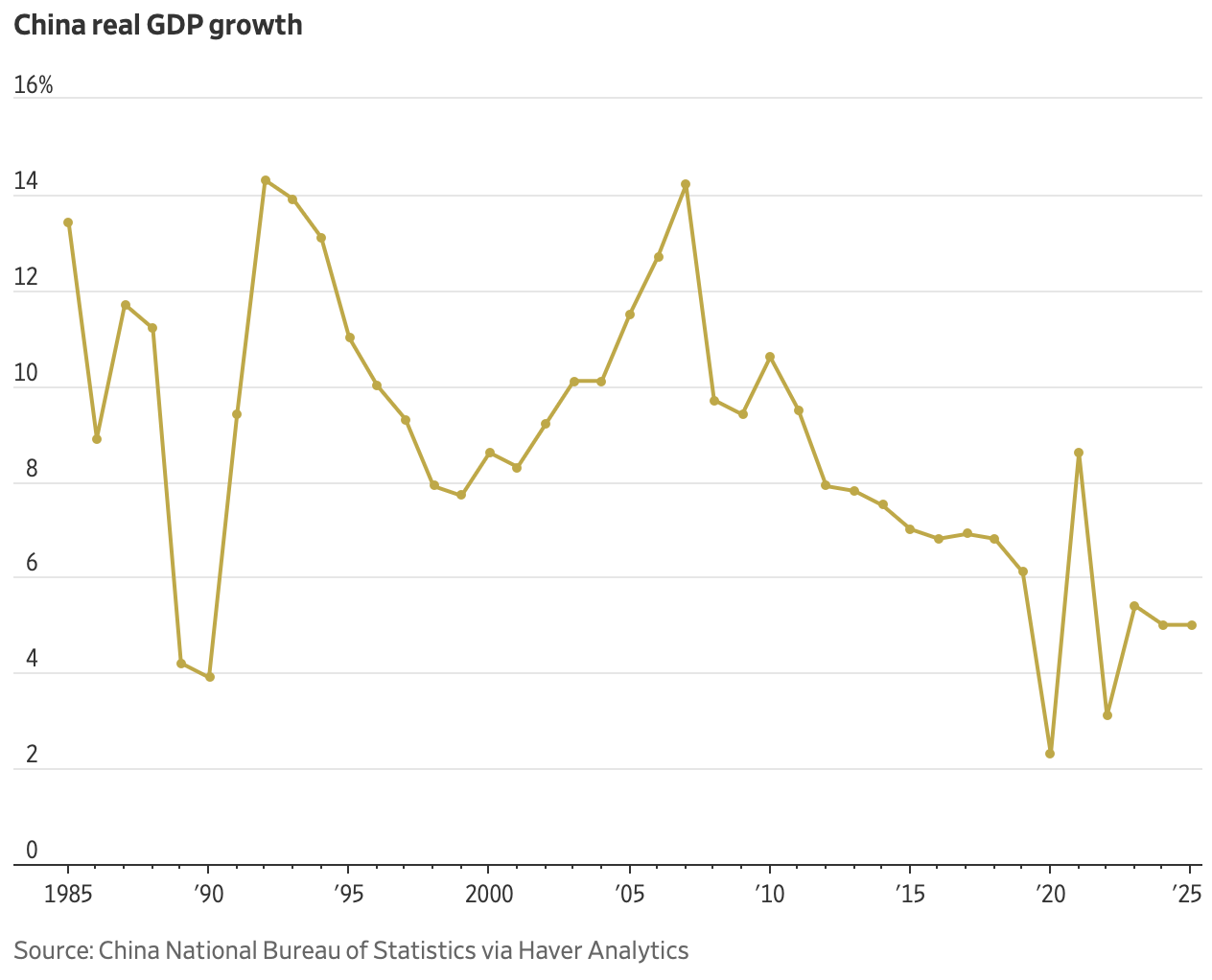
In the EMG space, APAC currencies were the clear winners, with CNY rallying 0.5% as investment flows picked up with one of this year’s growing themes being that China is going to rebound sharply, especially with the trade situation seeming to settle down. It can be no surprise that both KRW and IDR, both countries that rely on stronger Chinese growth for their own growth, have rallied by similar amounts this morning. Meanwhile, EEMEA currencies have been under pressure, as mentioned above, despite the little data released (Hungarian and Romanian Retail Sales) being quite robust.

As to this morning’s session we get our first data of the week with the Trade Balance (exp -$43.6B), ISM Non-Manufacturing (54.5) and Factory Orders (-0.8%). Mercifully, there are no Fed speakers scheduled, so my sense is the market will be focused on the ISM data as well as the equity market. As things currently stand, it is all systems go for a stock market rally and assuming the ISM data simply meets expectations, the narrative is likely to shift toward stabilizing US growth. Of course, with the Fed pumping money into the economy in the background, that should be the worst case no matter what. FWIW it seems the dollar’s rally is a touch overdone here. My sense is that we are going to see it give back some of this morning’s gains as the session progresses.

Good luck
Adf
 

No Rapprochement

The topic du jour is Iran
Where threats, to and fro, carry on
Risk appetite’s fallen
And bears are now all in
That this time there’s no rapprochement

The rhetoric between the US and Iran over the weekend has escalated with both sides threatening retaliation for anything the other side does. Stories of cyber-attacks on the US as well as an attack on a base in Kenya where three Americans were killed seem to be the first steps, but with the US deploying reinforcements to the Middle East, and President Trump promising disproportionate responses to any further actions, the situation has become fraught with danger.
Not surprisingly, financial markets are stressing with risk appetites throughout the world dissipating and haven assets in demand. So, for a second day we have seen equity markets fall around the world (Nikkei -1.9%, Hang Seng -0.8%, DAX -1.6%, CAC -1.1%, FTSE -1.0%) and US futures are following along with all three indices currently lower by approximately 0.8%. Treasuries and German bunds have rallied, albeit Friday’s price action was far greater than this morning’s movement which has seen yields on each fall just one more basis point. Gold has soared to its highest level since April 2013 and is now pressing up toward $1600/oz. Oil continues to rise on supply fears, up another 1.0% this morning and nearly 6.0% since Friday morning. But recall that prior to the US action against Soleimani, oil was up more than 20% since October.

And finally, the dollar this morning is…lower. At least mostly that’s the case. In some ways this is quite surprising as the dollar tends to be a haven in its own right, but markets have been known to be fickle prior to today. In the G10 space, the pound is leading the way higher overnight, up 0.5%, which may well be a response to modestly better than expected UK data (New Car Registrations +3.4%, Services PMI 50.0) rather than to the geopolitical risks. Of course, PMI at 50.0 is hardly cause for celebration, but I guess that’s better than further sub-50 readings. The euro has also benefitted this morning, +0.35%, after PMI data across the region was also modestly better than the flash numbers from the week before last. However, based on the latest data, according to most econometric models, GDP for Q1 in the Eurozone is still running at just 0.1%, or less than 0.5% annualized. Again, it’s hard to get too excited about the situation yet.

And then there is the yen, which is essentially unchanged on the day, perhaps the biggest surprise of all. This is because even when the dollar has not run true to course on a risk basis, the yen has been extremely consistent. Granted, since New Year’s Eve, the yen has been the top G10 performer but its 0.5% rally in that time is hardly inspirational. My take is that even heightened rhetoric from either side is likely to see the yen gain further, but remember there are market technicals involved in the trade, with 108.00 having demonstrated strong support since early October. It appears we will need a bit more of a ‘kinetic’ action in Iraq/Iran before the yen takes its next steps higher.

In the EMG bloc, the situation is a bit different, with EEMEA currencies all trading in a tightly linked manner to the euro, and so higher by about 0.35%, but modest weakness seen across most of the APAC region. As to LATAM, CLP is opening much lower (-1.75%) as the central bank backed away from its USD sale program. The bank announced this morning that it would not be selling the $150mm in the spot market it has been executing every day since last autumn. If nothing else, this should be a good indication for hedgers of just how little liquidity exists within that market.

Turning to Friday’s FOMC Minutes, it can be no surprise that the Fed nearly twisted their own arm, patting themselves on the back, for setting policy at just the right place. And then there was the American Economic Association conference this past weekend where the Fed loomed large in the paper production. Former Fed chairs Bernanke and Yellen once again explained that things beyond their control (demographics and technology) were the reason that they could not achieve their policy targets, but both assured us that more of the same policies that have been ineffective for the economy (but great for the stock market) would get the job done! Meanwhile, current Fed members all expressed satisfaction with the current settings, although it is clear there is far more concern over economic weakness than rising price pressures. What is clear is that higher prices are coming to a store (every store) near you.

As to this week, the data parade starts tomorrow and runs through Friday’s payroll report as follows:

Tuesday Trade Balance -$43.9B
  ISM Non-Manufacturing 54.5
  Factory Orders -0.7%
Wednesday ADP Employment 160K
  Consumer Credit $15.8B
Thursday Initial Claims 220K
Friday Nonfarm Payrolls 162K
  Private Payrolls 152K
  Manufacturing Payrolls 5K
  Unemployment Rate 3.5%
  Average Hourly Earnings 0.3% (3.1% Y/Y)
  Average Weekly Hours 34.4

Source: Bloomberg

In addition, we hear from five more Fed speakers, with many more doves than hawks slated to discuss their views. In truth, I think it would be more effective if they would simply shut up rather than constantly reiterate their opinion that they have done a great job and will continue to do so unless things change. However, with the reduced risk appetite due to the Iran situation, I guess they feel the need to try to support stock prices at all costs.

In the medium term, I think the dollar will continue to come under pressure. In the short term, I think it is much harder to have a view given the highly volatile nature of the current situation in the Middle East. This is why you hedge; to prevent significant problems, but take care in executing those hedges, markets are skittish on the opening, and market depth may be a bit less robust than normal.

Good luck
Adf